Pig Disease and Ailments

Welcome to our Pig Disease and Ailments wiki, you can search for a given term i.e “Dysentery” and it will show you all articles on that topic. This content is dynamic and updated regularly. If you have any specific content or subject you would like to see, please drop us an email .
This affects both gilts and sows and the causes range from mismanagement, fever, infections of Read more
Biosecurity serves as the pivotal strategy through which we thwart the infiltration and proliferation of Read more
This affects all age groups from growers, gilts, sows and boars. It is caused by Read more
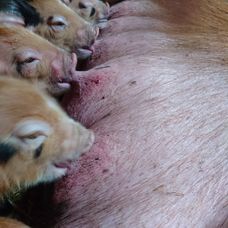
Understanding and Managing Cannibalism in Pigs In recent months, the Oxford Sandy and Black Pig Read more
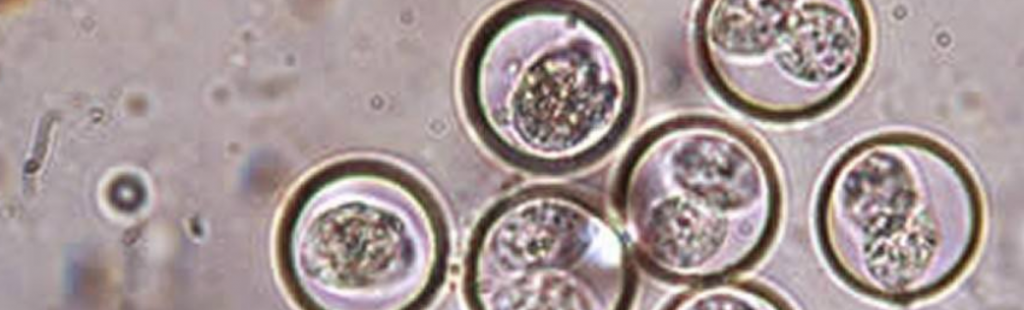
Coccidiosis affects all ages of pigs and is a tacky or watery diarrhoea, piglets do Read more
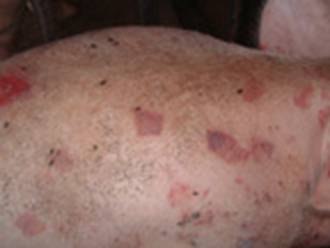
(When sourcing stock IT IS UP TO YOU to ask the breeder if they have Read more
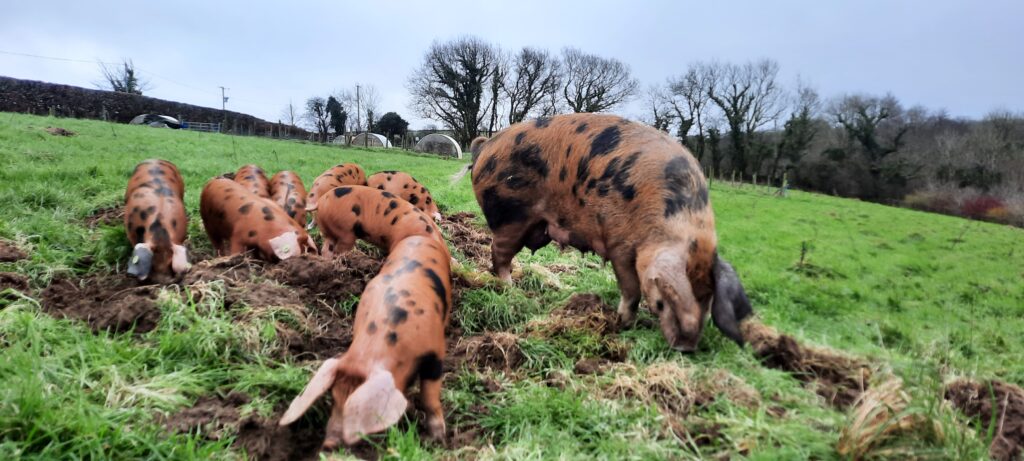
Gastric ulcers in our pigs can affect all ages, but is more commonly observed in Read more
The Pigs Eyesight The OSBPG Charity is always looking to investigate the wonders of pigs Read more
Studies and investigations conducted by pig geneticists and leading experts in the field emphasise the Read more
It is extensively documented that during the 1960s, as the UK pig industry underwent intensification Read more
Most of us have experienced this in our sows and it also affects the gilts. Read more
The brain and spinal cord are protected within bony cavities (the skull and the spinal Read more
We all get frustrated when our sow/gilt return and we find that they are not Read more
Here at the Oxford Sandy and Black Pig Group (OSBPG), our supporters all use different Read more
Similar to humans, the feet of pigs bear the weight and undergo considerable strain with Read more
Although not a common ailment with the Oxford Sandy and Black Pig breed, it does Read more
As we witness the wonderful farrowings with the anticipation of more to come, I thought Read more
Enhancing the In-pig Sow Nutrition Although the last month of pregnancy is the period when Read more
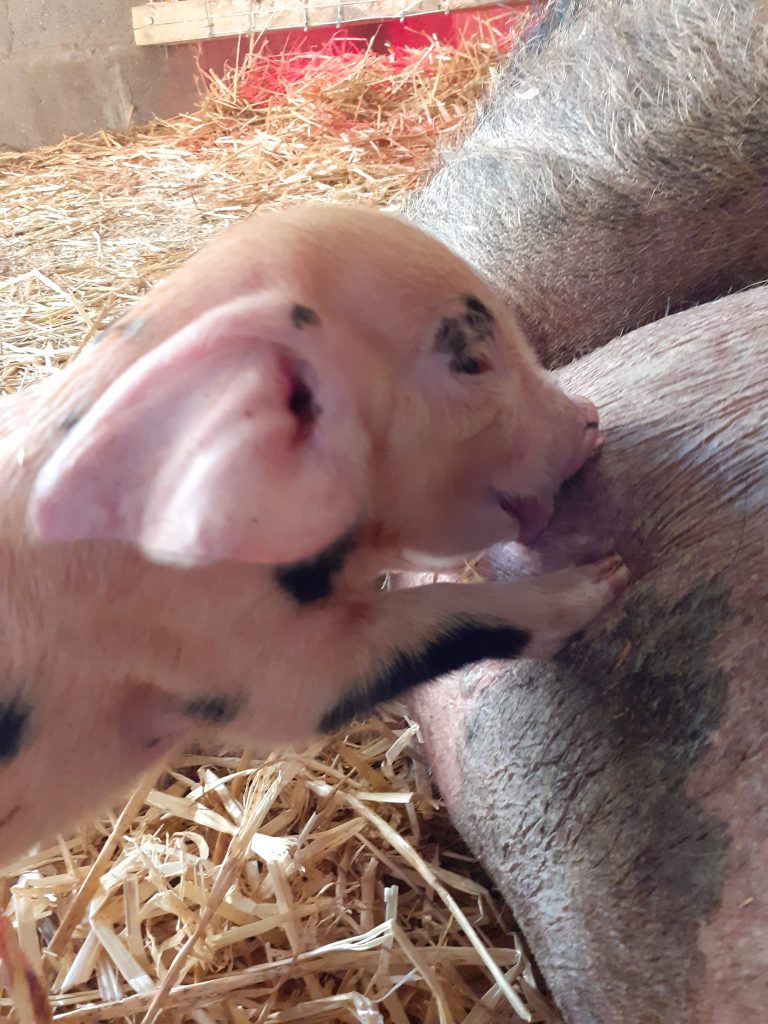
Cross- Fostering When dealing with large litters and you have simultaneous farrowings, there may be Read more
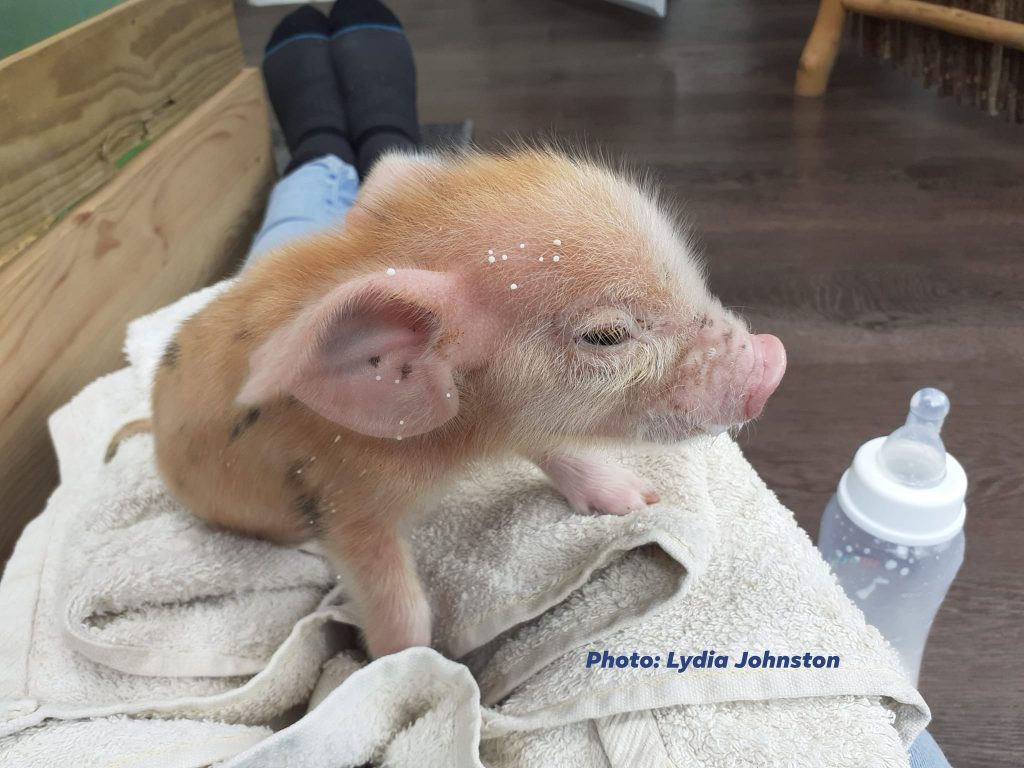
Pre-weaning care of the Oxford Sandy and Black piglet Read more
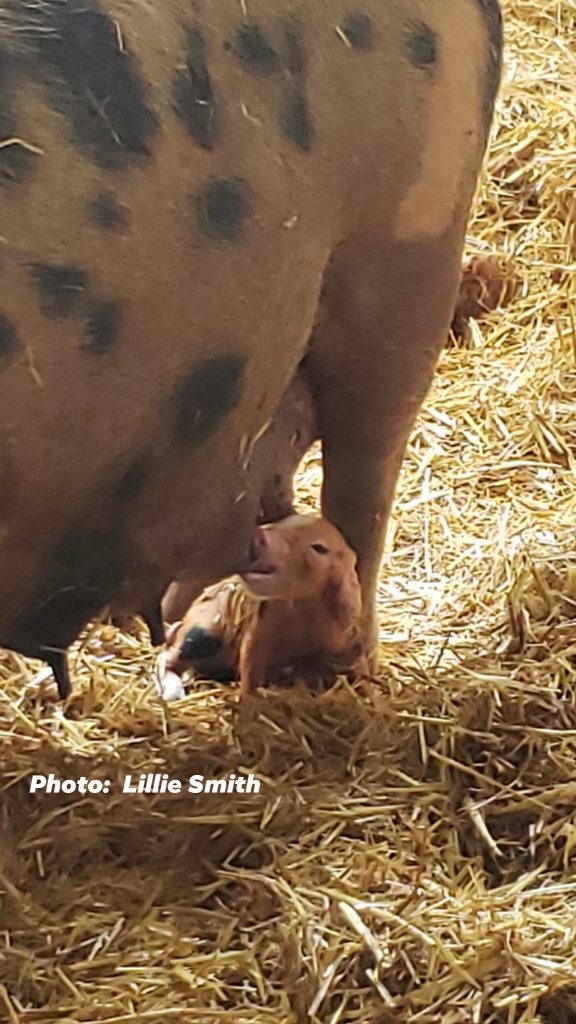
Enhancing Nutrition for Improved Piglet Growth Instead of increasing feed levels, it's worth considering an Read more
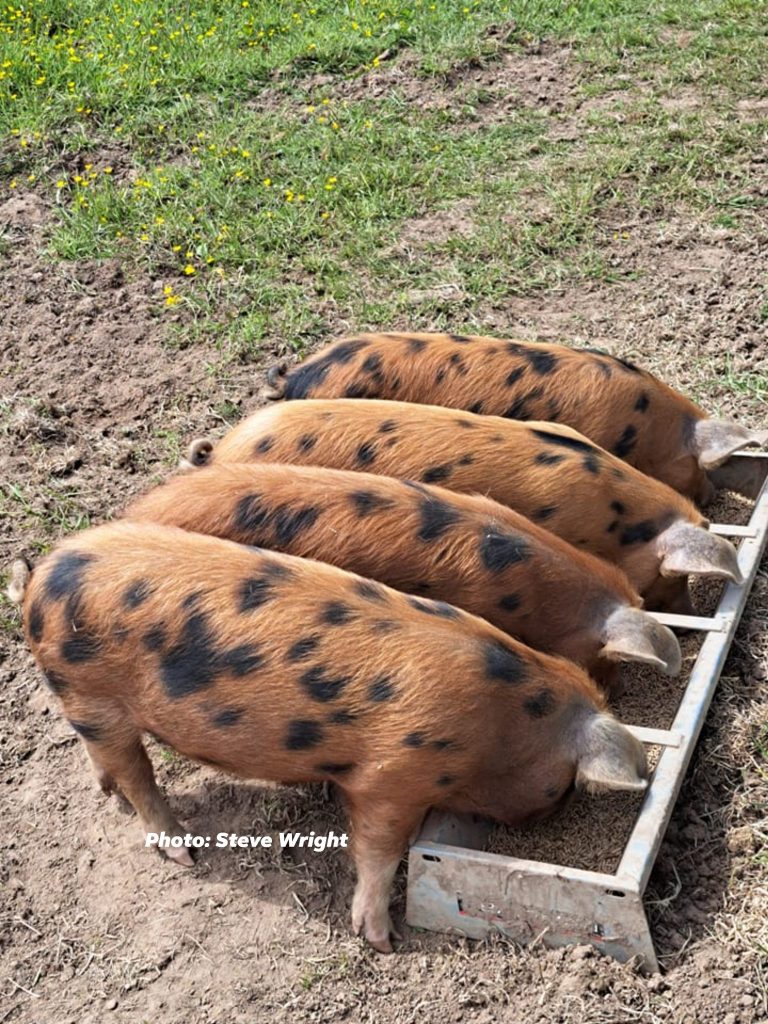
Economic Considerations Regarding Low Birth Weight Pigs As we know, and have experienced ourselves as Read more
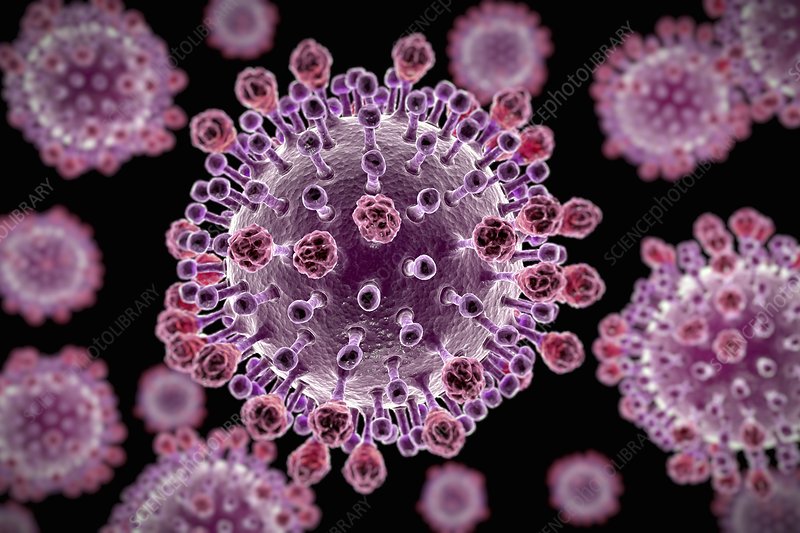
Swine Flu Similar to humans, pigs are susceptible to colds and flu, especially in the Read more
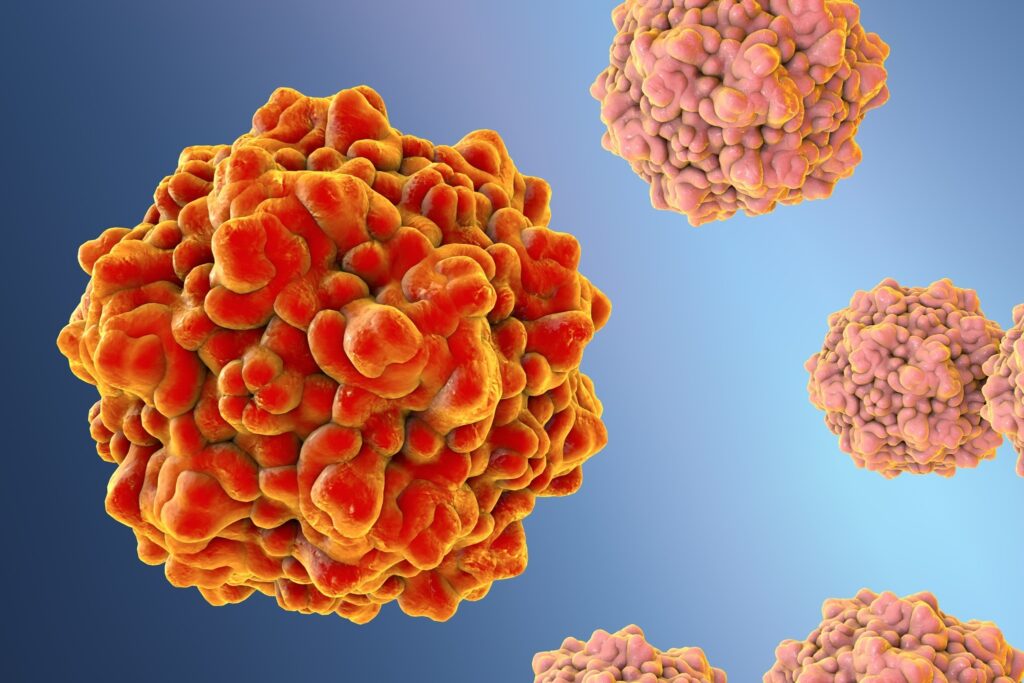
Porcine Parvovirus (PPV) PPV, while not outwardly noticeable in our pigs during day-to-day observation, poses Read more
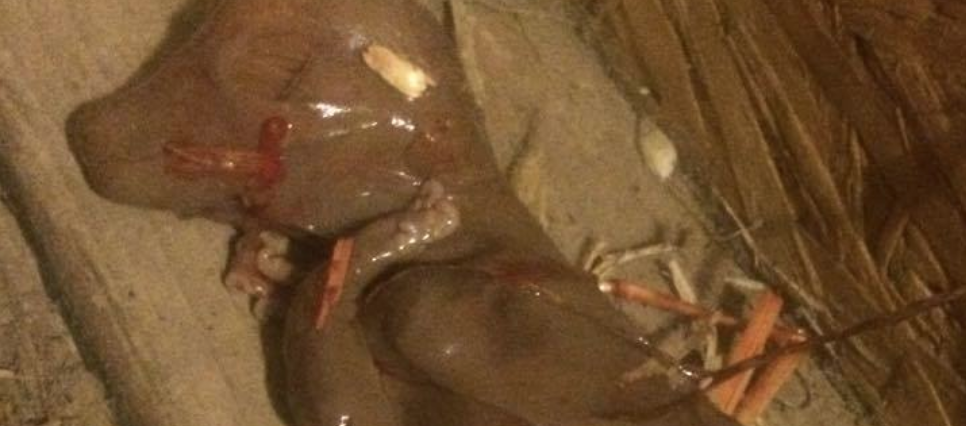
PLEASE REMEMBER TO SIGN UP TO THE DISEASE CHARTER WITH AHDB PORK. When sourcing stock Read more

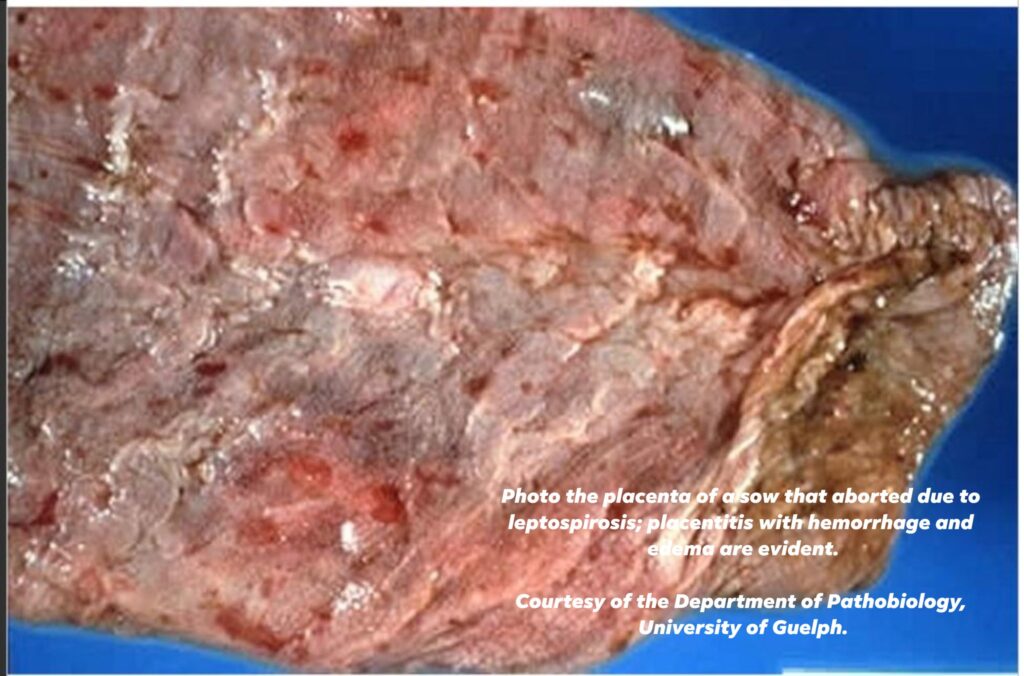
Abortion

This affects both gilts and sows and the causes range from mismanagement, fever, infections of the uterus and poisoning.

Effects: The sow/gilt will abort recognisable foetuses before day 110 of gestation, after which production of dead foetuses is classified as a stillbirth. Sows may be visibly ill before abortion occurs or remain normal.

Causes

Death of the conceptuses may occur early from hormonal causes as four live foetuses are required to maintain an early pregnancy. After implantation, infection is the main cause of abortion, indirectly through fever or directly as a result of the infection of the foetus. Fever is the cause of abortion in erysipelas and other feverish diseases. Invasion of the foetus can occur in many viral and bacterial diseases. In some, foetal invasion results in death and dead foetuses reabsorbed, and in older pregnancies, the foetus may become mummified and later stillbirth may occur. All combinations of normal, resorbing, and mummified foetuses may be aborted. Major infections capable of causing abortion are Aujeszky’s Disease, brucellosis, enterovirus infections, leptospirosis, parvovirus, PRRS, swine fever and toxoplasmosis. Ingestion of the mould toxin zearalenone is also capable of causing abortion, as are management factors, such as high carbon monoxide concentrations.

Mode of transmission

Infectious causes of abortion are transmitted by the routes associated with the causal infection. Non-transmissible abortions occur.

Clinical signs

Sows may be seen to abort and the aborted material may be found on the floor of their accommodation. The sow may not appear ill in some cases (enterovirus, parvovirus, some leptospirosis), but in other diseases such as erysipelas, there is clear evidence that the sow is ill, off feed, and has evidence of the disease. In the case of erysipelas, high fever and the characteristic skin lesions are often found. The rectal temperature should be taken to establish the presence of fever. During or after abortion, the vulva may be bloodstained and the tail and hindquarters may be smeared with sticky discharge. As sows frequently eat aborted material, abortion is hardest to detect in loose-housed animals. Where abortion is missed, the termination of pregnancy may be detected only when an animal, previously known to be pregnant, fails to farrow, returns to oestrus or is identified following a pregnancy check. Abortion is recorded in pig herds as a routine. Abortions should be uncommon in a herd (fewer than 1%), but if they reach 2.5%, the cause should be determined. Management factors may be obvious and in zearalenone poisoning, enlargement of the vulvas of piglets and enlargement of the mammary glands in non-pregnant gilts. The presence of specific diseases may only be identified by laboratory examination of the aborted foetuses, vaginal discharges or blood from the affected sow.

Postmortem lesions

The products of abortion may be visible as embryos (large sacs 10-20 cm in length, with a central dark area, the embryo itself, from which blood vessels radiate) or as perfectly formed pig foetuses. These have their eyes closed and are hairless. They may be partially decayed, mummified or perfectly fresh with haemorrhages on their skins. The age of the foetus when death occurred may be determined by measuring foetal crown-rump length. Placentas may be absent, although they are sometimes passed surrounding aborted piglets. Fluid from the chests of aborted foetuses is used to detect infectious agents by culture or PCR and antibody to them may be present after 70 days gestation. Sows are rarely examined postmortem, but ageing corpora lutea are visible in the ovaries and the uterus may be enlarged, although it rapidly returns to normal. Lesions of a causal infectious disease may be visible but laboratory examination of vulva discharge or uterine contents may be required.

Treatment and prevention

The ability to prevent further abortions varies, depending on the cause. For example, zearalenone toxicity can be eliminated rapidly by feeding clean rations. Carbon monoxide poisoning can be eliminated by adjusting gas heaters. Toxoplasmosis may be prevented by stopping contamination of pig feed by cat faeces. Erysipelas can be treated easily with penicillin and leptospirosis with tetracyclines. Solid immunity follows the elimination of these infections. Less specific infections of the uterus can be eliminated, but ideally, the animals should be culled as persisting infection may reduce fertility.

To control abortion, sows can be vaccinated against erysipelas and parvovirus. In some countries, vaccination against leptospirosis, Aujeszky’s Disease, swine fever and PRRS is also possible. Vaccination requires at least 14 days to protect against an agent and may not protect against venereal infections. There are no vaccines for enteroviruses. Brucellosis is notifiable and controlled by other means. The aborted material should be treated as infectious and correctly discarded, with disinfection as appropriate.

Animals which have aborted should come back into oestrus within 10 days and may then be served. The exception is if body condition has been lost when consideration should be given to increasing feed and delaying service. Those that do not return to oestrus or do not hold to the next service, should, unfortunately, be culled.

Special note

Some infectious causes of abortion (Swine Fever, African Swine Fever, Brucellosis) are notifiable and some, such as Brucellosis and Leptospirosis, can infect humans handling the products of abortion. Please ensure that strict hygiene is practised.

BIOSECURITY – What’s it all about

Biosecurity serves as the pivotal strategy through which we thwart the infiltration and proliferation of detrimental agents, encompassing viruses, bacteria, animals, plants, pathogens, and insects, within the UK. Additionally, it outlines our approach to managing the repercussions posed by organisms that have already taken root.

Within the realm of pig management, the principles of biosecurity are geared towards safeguarding our pig population against the threat of pests, weeds, and diseases, while concurrently bolstering the accessibility of pork production for British consumers. An imperative aspect involves remaining vigilant against the introduction of alien invasive diseases, whether propelled by human intervention or stemming from interactions with other species. Notable examples include the risk posed by diseases like African Swine Fever (ASF), Swine Dysentery, PRRS, TB, Erysipelas, and numerous others.

Biosecurity emerges as a shield fortifying our pigs against the onslaught of infectious diseases. Through stringent measures and diligent practices, we bolster the resilience of our pig industry and enhance the protection of our animals, all while ensuring the continuity of safety of our pigs and, of course, high-quality pork production.

The transmission of diseases can occur through various pathways, encompassing:

  • Introduction of new pigs into an existing herd
  • Movement of pigs, individuals and machinery both within and between farms/holdings
  • Interaction with livestock belonging to neighbouring properties or at events
  • Contamination resulting from the presence of vermin and wild birds
  • Being exposed to potentially contaminated drinking water through rivers and streams
  • Feeding kitchen waste
  • Interaction with humans through on-farm visit

These routes of disease dissemination fortifies the significance of stringent biosecurity measures to safeguard pigs health and prevent the unwarranted proliferation of illnesses.

To establish a secure environment for both our pigs and ourselves, we can undertake the following measures:

Preventive Measures:

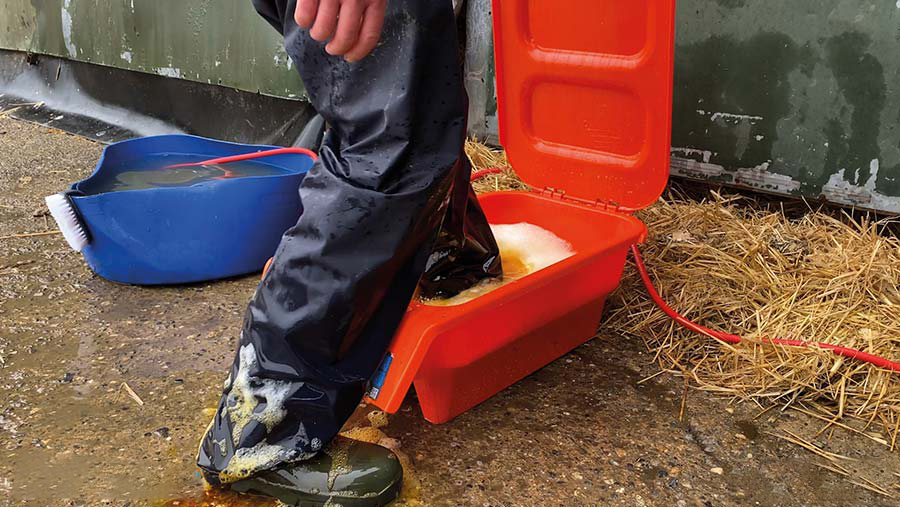
  • Refrain from introducing infections onto your farm and prevent their spread by avoiding contamination through soiled clothing, footwear, and hands.
  • Monitor and control farm visitors and vehicles to limit potential contamination sources.
  • Set up dedicated hospital pens to isolate sick pigs. Consider applying for a free isolation unit.
  • Maintain cleanliness in farm access routes, parking spaces, yards, and storage areas.
  • Ensure availability of pressure washers, brushes, hoses, water, and disinfectant for effective cleaning.
  • Display foot dip signs and provide disinfectant at entry points for visitors’ use.
  • Keep animal housing clean, adequately ventilated, and avoid overstocking.
  • Avoid sharing injecting and dosing equipment. Clean and disinfect farm machinery and equipment, especially if shared with other farms.
  • Provide livestock with a well-balanced and nutritious diet. Refrain from offering unpasteurised milk to pigs to minimize the risk of bTB.
  • Source pigs and livestock from reputable suppliers; make informed decisions.
  • Collaborate with your veterinarian to establish a health plan, including provisions for isolating new or returning stock. Maintain proper fencing to prevent contact with neighbouring livestock.
  • Implement effective pest control programs.
  • Secure ponds, streams, and rivers with fencing, while providing clean and fresh drinking water through troughs.
  • Keep livestock away from recently spread slurry for at least two months.
  • Ensure accurate and up-to-date identification and record-keeping practices.
  • Properly dispose of fallen stock without burying or burning in fields.

Vigilance and Reporting:

  • Remain watchful for any signs of disease.
  • Promptly report notifiable diseases to the Animal and Plant Health Agency (APHA).

Staying Informed:

By adhering to these comprehensive measures, we can significantly reduce the risks of disease transmission, enhance the health and well-being of our livestock, and fortify the safety of our operations.

Photo: Nicola Goodings

The Oxford Sandy and Black Pig Group is UK’s only pig breed that is a registered charity in England & Wales (1190463) and Scotland (SCO52662). We are creating a better future for our breed, the bloodlines and its breeding potential together with our Independent Pork Producers, Breeders and Keepers. Please click the donate button so we may continue to look after our breed and our supporters.

Follow us on Facebook and see how we support, help and inspire individuals about our rare breed

Biotin Deficiency – Nail Growth

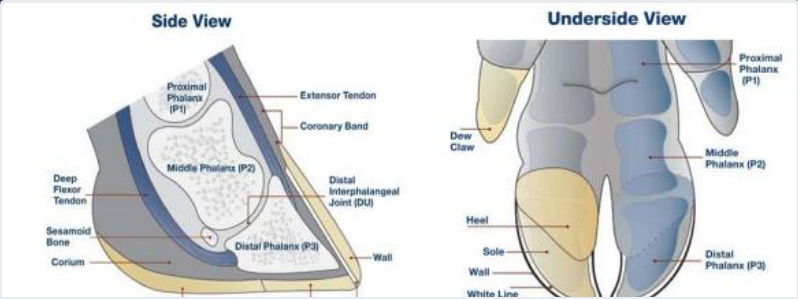
This affects all age groups from growers, gilts, sows and boars. It is caused by diet and poor floors and effects Lameness, claw defects, poor growth, diarrhoea, hair loss, scaly skin, small litters.

Causes

Dietary biotin (a water-soluble B vitamin) is normally present in adequate amounts in pig rations, although in feeds containing wheat or barley, the vitamin may be less readily available to pigs than in maize-based diets. Biotin is a cofactor in a number of body enzymes especially in the carboxylation (a chemical reaction in which a carboxylic acid group is produced by treating a substrate with carbon dioxide) or transcarboxylation reactions required for energy metabolism. In growing pigs lipogenesis (fat formation) is affected when the important enzyme, Acetyl CoA carboxylase cannot be formed. Deficiency in biotin on wheat and barley-based rations occurs quite commonly and at least 180 mg/tonne should be present for health.

Mode of transmission

Biotin deficiency is not infectious and occurs where rations are deficient in the vitamin.

Clinical signs

Early changes in biotin deficiency are slight but include progressive hair loss, dry and scaly skin and a white film and transverse grooves on the tongue. After 5-7 weeks on a deficient diet, claw defects occur. Erosion of the heel occurs first and is followed by cracking of the sole. Cracks appear in the now rubbery horn of the sole and the claw wall and result in lameness. Secondary infection may occur. In most cases, foot lesions in sows appear on the underside of the hoof and are only seen when the claw is cleaned. Others appear as longitudinal cracks on the wall originating in the coronary band. Heel and sole erosions and cracks also occur. Inspection of the sows’ feet after thorough cleaning will allow the claw defects to be seen clearly. Cracks arising from the coronary band and erosions of the sole and heel and the presence of alopecia and scaly skin suggest biotin deficiency. As the foot lesions could be mistaken for those of a vesicular disease, such disease should be ruled out. There may be alopecia and a dry scaly skin which may progress to give dermatitis with brownish crusts and pinpoint haemorrhages. The reproductive effects include low numbers born, especially born alive and reared and long weaning to service intervals. Reproductive effects measured over 4 parities indicate at 1-1.4 pigs per sow per year are lost, that weaning to service intervals may be increased by up to 4 days and that conception to the first service may be reduced by 9%. Good recording is essential for this effect to be detected.

Treatment and prevention

A diagnosis of biotin deficiency can be confirmed by analysing the biotin content of the ration (100-220 µg/kg is the normal range) and noting the response to biotin supplementation of the diet. The reproductive effects can be confirmed only by supplementation of the diet in controlled studies. Populations with plasma levels of 60 ng/100 ml benefit from supplementation.

When deficiencies occur it is common practice to supplement the diet with 400 mg-1,250 mg/tonne of D-biotin; it is best to seek the advice of an experienced pig nutritionist. Biotin is available as a 1% d-biotin premix and 40g premix/tonne is necessary for most purposes, for growing gilts, and pregnant and lactating sows to prevent foot lesions and improve litter size. Levels up to 3,000 mg/tonne may be necessary to reverse hoof lesions and time should be allowed for the damaged horn to grow out.

CANNIBALISM IN PIGS


Understanding and Managing Cannibalism in Pigs

In recent months, the Oxford Sandy and Black Pig Group (OSBPG) have seen reports that have surfaced regarding sows and occasionally gilts exhibiting cannibalistic behaviour towards their piglets. These incidents typically occur in the context of large litters, ranging from 12 to 15 piglets, and can happen in both outdoor and indoor farrowings. Despite providing ample space, good lighting, and regular feeding, the sows tend to reduce the litter size to 7 or 9 piglets, indicating a contentment with this smaller size.

The phenomenon of cannibalism in pigs raises questions about its underlying causes.

Is it due to inherent aggression in certain pigs, close breeding, or perhaps a natural response indicating an inability to care for all piglets until weaning age? While some attribute it to shortcomings in husbandry skills, research suggests that cannibalism, termed “savaging,” is a recognised but poorly understood behaviour in pig farming.

Genetic Factors: Savaging is observed across various mammal species, including wild boars, and appears to be more prevalent in species with multiple births. While there are differences in general aggression among domestic pig genotypes, savaging does not necessarily run in families or result from inbreeding. Anecdotal evidence hints at certain commercial genotypes being more predisposed to savaging than others.

Predisposing Factors: Several factors tthat may predispose sows and gilts to exhibit cannibalistic behaviour:

  • Poor farrowing environment
  • Lack of empathy and inadequate handling
  • Possible effects of feed intake (lower intake before farrowing leading to hunger)
  • Pain during farrowing
  • “Storms” triggered by other savaging females in the same farrowing room
  • Inefficient cross-fostering practices

Management Strategies: Addressing cannibalism requires a multifaceted approach which may be considered such as:

  • Regular and gentle handling of pregnant gilts, emphasising empathy
  • Providing sufficient space for gilts at least a week before farrowing in indoor settings
  • Offering bran or grass before farrowing to promote gut health
  • Encouraging nest-building behaviour by providing ample straw pre-farrowing
  • Playing background music during the farrowing period may have a calming effect
  • Identifying problem animals early based on behavioural cues and considering treatments – with advice taken from your Veterinarian
  • Confining piglets to the creep area at the first sign of trouble during farrowing
  • Avoiding cross-fostering litters onto gilts
  • Consider culling sows that exhibit repeated savaging behaviour across multiple litters

In conclusion, cannibalism in pigs remains a complex and challenging issue in pig farming, necessitating a combination of proactive management practices and vigilant observation to mitigate its occurrence and impact on litter survival rates.


The Oxford Sandy and Black Pig Group is UK’s only pig breed that is a registered charity in England & Wales (1190469) and Scotland (SCO52662). We are creating a better future for our breed the bloodlines and it breeding potential together with our Independent Pork Producers, Breeders and Oxford Sandy and Black Keepers and their families. Please click the donate button so we may continue to look after our breed and our supporters

Follow us on Facebook and see how we support, help and inspire individuals about our rare breed Oxford Sandy and Black Pig

Coccidiosis

Coccidiosis affects all ages of pigs and is a tacky or watery diarrhoea, piglets do not seem to grow very well and can cause death in piglets. It stems from poor hygiene.

Causes

Coccidia are single cell protozoan parasites which multiply in the cells lining the intestine. Cystoisospora suis is the main pathogen of piglets and is responsible for the most coccidial diarrhoea. Cryptosporidium parvum, C. suis and other genotypes may also affect piglets but occurs commonly in weaned pigs and Eimeria species occur in weaned pigs, finishers and gilts but not in piglets. The resistant oocysts of Cystoisospora. suis are eaten and reach the upper small intestine where small sporozoites hatch and invade cells of the intestinal lining within 24 hours. They multiply asexually, damaging their host cell, to give rise to first stage merozoites and then to a further two stages within cells of the small intestinal lining. Each fourth stage cell reaches the lower part of the small intestine at about 4-5 days after infection and invades an epithelial (lining) cell to produce the sexual stage. Some become groups of microgametes and some remain single to become macrogametes. Mating in the gut produces oocysts which appear in the faeces as oocysts within 5 days of infection. Eimeria species multiply in the same way as C. suis, but Cryptosporidium remains in the absorptive, apical part of the cell and appears to prevent absorption of nutrients and causes cell death.

Transmission

Coccidia are passed out in the faeces and Cystoisospora suis oocysts develop within 48 hours at 24-27ºC into resistant hard walled sporulated oocysts which are infective. They are resistant to drying and can persist in piggeries and soil for up to 10 months. The major source of infective oocysts is the faeces of piglets aged between 2 and 4 weeks, when from 4,000 to 400,000 oocysts per gram may be present. Sows may pass a few oocysts and infect their litters, but the major source of both direct and indirect infection is the piglet. Transmission of Eimeria species resembles that of Cystoisospora, although the age range affected differ, but some Cryptosporidium species have more than one host species. The route of infection is oral in all cases.

Signs

Coccidiosis causes mal-absorption, diarrhoea, loss of condition and some deaths. The faeces of affected piglets may be whitish and firm, there may be transient pasty diarrhoea or profuse yellowish, watery diarrhoea between 5-15 days of age and most commonly from 7-10 days of age. Affected piglets may be thinner than unaffected litter mates and remain gaunt and hairy for some weeks thereafter. Severely affected piglets may die. Mortality rates may reach 20%. The diarrhoea responds poorly to antimicrobial therapy and slow growth occurs in recovered animals and diarrhoea rarely continues beyond weaning. Wasting and diarrhoea have been recorded in gilts, finishing pigs and wild boar infected with Eimeria spp. In experimental E. neodebliecki infection, frothy, mucoid diarrhoea occurred 9-12 days post infection. Most infections with C. parvum are asymptomatic (90% in one study). Clinical signs rarely appear before 3 days of age and are most commonly reported in piglets at 10-21 days of age. Affected piglets are depressed and pass a watery, sometimes brownish, diarrhoea, which may persist for 3-5 days. The organism can be recognised in the faeces of diarrhoeic weaners. Affected weaned pigs are often depressed and anorexic, in poor condition with a rough dirty coat and pasty faeces.

Treatment and prevention

Coccidiosis in piglets can be treated with trimethoprim sulphonamide and they should be supported with electrolyte. Toltrazuril given as an oral suspension by stomach tube on day 3 prevents diarrhoea, prevents oocyst shedding and can maintain piglet growth. Scrupulous attention should be given to hygiene in control, as the high levels of oocysts passed by piglets and their ability to survive for months make environmental contamination important. Sows should be cleaned on entry to the farrowing houses which should be disinfected or fumigated with methyl bromide or ammonia (final concentration 2%). Steam cleaning at 65˚C for 15 minutes and proprietary disinfectants can also be used to destroy oocysts. Less disease and oocyst shedding has been demonstrated on fully slatted cleaned floors. Trimethoprim sulphonamide may be given by injection or orally to older pigs with Eimeria species and the inclusion of an anticoccidial such as amprolium at 1 kg permix per tonne in sow feed for 7-10 days prior to farrowing and for 2 weeks afterwards will reduce the shedding of oocysts by sows and other pigs. No treatment has yet been shown to affect Cryptosporidia. The oocysts can be destroyed by the same disinfectants as those of the other coccidia.

Be aware

Cystoisospora and Eimeria infections are of no public health importance, but the pig may be a source of infection with Cryptosporidium for humans and vice versa.

Erysipelas

(When sourcing stock IT IS UP TO YOU to ask the breeder if they have suffered any diseases within their herd if you don’t ask you don’t know and the breeder will and should not be offended by your question as this shows due diligence on your behalf.)

Erysipelas is caused by a bacterium called Erysipelothrix rhusiopathiae in pigs and is one of the oldest recognised diseases that affect growing and adult pigs. The organism commonly resides in the tonsillar tissue. These typical healthy carriers can shed the organism in their faeces or oronasal secretions and are an important source of infection for other pigs.

Disease outbreaks may be acute or chronic, and clinically inapparent infections also occur. Acute outbreaks are characterised by sudden and unexpected deaths, febrile episodes, painful joints, and skin lesions that vary from generalized cyanosis to (a bluish discoloration of the skin due to poor circulation or inadequate oxygenation of the blood) the often-described diamond skin (rhomboid urticaria) lesions. Chronic erysipelas tends to follow acute outbreaks and is characterized by enlarged joints and lameness. A second form of chronic erysipelas is vegetative valvular endocarditis. Pigs with valvular lesions may exhibit few clinical signs; however, when exerted physically they may show signs of respiratory distress, lethargy, and cyanosis, and possibly suddenly succumb to the infection.

The genus of Erysipelothrix is subdivided into two major species: E rhusiopathiae and E tonsillarum. In addition, there are other strains that constitute one or more additional species known as E species 1, E species 2, E species 3, and E inopinata. At least 28 different serotypes of Erysipelothrix spp are recognized, and pigs are considered to be susceptible to at least 15. Field cases of swine erysipelas are predominately caused by E rhusiopathiae serotypes 1a, 1b, or 2.

On farms where the organism is endemic, pigs are exposed naturally to E rhusiopathiae when they are young. Maternal-derived antibodies provide passive immunity and suppress clinical disease. Older pigs tend to develop protective active immunity as a result of exposure to the organism, which does not necessarily lead to clinical disease. E rhusiopathiae is excreted by infected pigs in faeces and oronasal secretions, effectively contaminating the environment. When ingested, the organism can survive passage through the hostile environment of the stomach and intestines and may remain viable in the faeces for several months. Recovered pigs and chronically infected pigs may become carriers of E rhusiopathiae. Healthy pigs also may be asymptomatic (showing no symptoms) carriers. Infection is by ingestion of contaminated feed, water, or faeces and through skin abrasions.P

The acute and chronic forms of erysipelas may occur in sequence or separately. Pigs that succumb to the acute septicemic form may die suddenly without previous clinical signs. This form occurs most frequently in growing and finishing pigs. Acutely infected pigs are depressed and reluctant to stand and move. Affected pigs squeal excessively when handled, require assistance to stand, and prefer to lie down soon after being forced to stand. Affected pigs may also walk stiffly on their toes and shift weight from limb to limb when standing. Anorexia and thirst are common, and febrile pigs will often seek wet, cool areas to lie down. Skin discoloration may vary from widespread erythema (reddening of the skin) and purplish discoloration of the ears, snout, and abdomen, to diamond-shaped skin lesions almost anywhere on the body, but particularly on the lateral and dorsal regions. The lesions may occur as discrete, pink or purple areas of varying size that become raised and firm to the touch within 2–3 days of illness. They may disappear over the course of a week or progress to a more chronic type of lesion, commonly referred to as diamond skin disease. If untreated, necrosis and separation of large areas of skin can occur, and the tips of the ears and tail may become necrotic.

Clinical disease is usually sporadic and affects individuals or small groups, but sometimes larger outbreaks occur. Mortality is variable (0–100%), and death may occur up to 6 days after the first signs of illness. Acutely affected pregnant sows may abort, probably due to the fever, and lactating sows may stop producing milk.

Untreated pigs may develop the chronic form of the disease, usually characterized by chronic arthritis, vegetative valvular endocarditis, or both. Such lesions may also be seen in pigs with no previous signs of septicemia. Valvular endocarditis is most common in mature or young adult pigs and is frequently followed by death, usually from embolism or cardiac insufficiency. Chronic arthritis, the most common form of chronic infection, produces mild to severe lameness. Affected joints may be difficult to detect initially but eventually become hot and painful to the touch and later visibly enlarged. Dark purple, necrotic skin lesions that commonly separates itself from the dead tissue may be seen. Mortality in chronic cases is low, but growth rate is retarded.

Diagnosis of erysipelas is based on clinical signs, gross lesions, response to antimicrobial therapy, and demonstration of the bacterium or DNA in tissues from affected animals. Acute erysipelas can be difficult to diagnose in individual pigs showing only fever, poor appetite, and listlessness. However, in outbreaks involving several animals, the presence of skin lesions and lameness is likely to be seen in at least some cases and would support a clinical diagnosis. Rhomboid urticaria or diamond skin lesions are almost diagnostic when present; however, similar lesions can also be seen with classical swine fever virus.

A rapid, positive response to penicillin therapy in affected pigs supports a diagnosis of acute erysipelas because of the sensitivity of the organism to penicillin.

Chronic erysipelas can be difficult to definitively diagnose. Arthritis and lameness, coupled with the presence of vegetative valvular endocarditis postmortem, may support a presumptive diagnosis of chronic erysipelas.

Serologic tests cannot reliably diagnose erysipelas but can be useful to determine previous exposure or success of vaccination protocols, because antibodies should increase after vaccination.

Treatment:

As we have discussed in previous posts in the group under “Back to Basics Part IV – Handling Medications – What’s in your Cupboard ?” E rhusiopathiae is sensitive to penicillin. Ideally, affected pigs should be treated at 12-hr intervals for a minimum of 3 days, although longer durations of therapy may be necessary to resolve severe infections. On an economic basis, penicillin is the best choice for antibiotic therapy, but ampicillin and ceftiofur also yield satisfactory results in acute cases. When injecting large numbers of affected pigs is impractical, tetracyclines delivered in the feed or water may be useful. Fever associated with acute infections can be managed by administration of NSAIDs such as flunixin meglumine or by delivery of aspirin in the water. Erysipelas antiserum is described as an effective adjunct to antibiotic therapy in treating acute outbreaks but is not commonly available. Treatment of chronic infections is usually ineffective and not cost effective.

Vaccination against E rhusiopathiae is very effective in controlling disease outbreaks.

Optimal timing of vaccination may vary from farm to farm. When E rhusiopathiae is endemic in the production environment, vaccination should precede anticipated outbreaks. Susceptible pigs may be vaccinated before weaning, at weaning, or several weeks after weaning. Male and female pigs selected for addition to the breeding herd should be vaccinated with a booster 3–5 wk later. Thereafter, breeding stock should be vaccinated twice yearly. Vaccines should not be administered to animals undergoing antibiotic therapy, because antibiotics can interfere with the subsequent immune response to the vaccine.

In addition to vaccination, attention to sanitation and hygiene and elimination of pigs with clinical signs suggestive of erysipelas infection represent other viable methods that may help control the disease. But in all cases you must discuss your situation with your vets to discuss your vaccination programme.

Photos courtesy of Pig333, Dr D Risco Unidad de Patologı´a Infecciosa Photo above showing findings in a lung showing good cells being suffocated by the erysipelas bacterium.

GASTRIC ULCERS IN PIGS

Gastric ulcers in our pigs can affect all ages, but is more commonly observed in working boars and sows. The primary causes of gastric ulcers in pigs is associated with diet, stress, and overworking of boars. Clinical signs of gastric ulcers include weight loss, teeth grinding, vomiting, black faeces, and sadly in severe cases, sudden death.

Upon examination, the stomach may contain dark or black blood, sometimes with large blood clots, while chronic cases may exhibit black streaks in stomach. Ulcers can range from mild erosions to large ulcers with thickened, scarred wall boundaries. Chronic ulcers may bleed more profusely than acute ones due to capillary blood vessels continuously oozing blood over time. Acute death can occur if the ulcer invades an underlying large blood vessel.

Severely damaged stomach. Photo: Danish Pig Research Centre

Treatment for growers and finishers involves timely administration of injectable antibiotics, although consultation with a veterinarian is crucial for proper guidance and instruction. It is imperative to avoid administering Metacam if gastric ulcers are suspected.

Causes: Factors such as the presence of the pig helicobacter H. suis in the stomach, bacterial fermentation of carbohydrates leading to organic acid production, and stresses like transport, starvation, mixing, and overcrowding can increase the incidence of gastric ulceration. It has also been observed that certain feeds and nutrition may play a role in the development and exacerbation of gastric ulcers.

Clinical Signs: Pigs affected by gastric ulcers are often found dead despite being in good condition. Clinical signs may include acute intra-gastric haemorrhage, characterised by the inability to rise, rapid breathing, teeth grinding, refusal to eat or drink, low body temperature, and cold, pale mucous membranes (ie. gums, nose). Sub-acute cases may exhibit intermittent melena, passing dark, dry faeces, with loss of appetite, and reduced growth rate. Diagnosis can be challenging, but endoscopy under anaesthesia can aid in visualisation of ulceration.

Treatment and Prevention: Treatment involves supportive care which is via blood transfusion or intravenous fluid therapy, and administration of ranitidine syrup orally. Antimicrobial cover may also assist in recovery. Prevention strategies include reducing stress, relieving overcrowding, proper ventilation, increasing dietary fibre levels (IE oats or sugar beet pulp), and supplementing inadequate levels of zinc, selenium, and vitamin E.

In conclusion, understanding the causes, clinical signs, diagnosis, treatment, and prevention strategies for gastric ulcers in pigs is essential for maintaining herd health and welfare with our Oxford Sandy and Black Pigs. Collaborative efforts between veterinarians and pig producers are crucial in effectively managing this condition.


The Oxford Sandy and Black Pig Group is UK’s only pig breed that is a registered charity in England & Wales (1190469) and Scotland (SCO52662). We are creating a better future for our breed the bloodlines and the breeding potential together with our Independent Pork Producers, Breeders and Oxford Sandy and Black Keepers and their families. Please click the donate button so we may continue to look after our breed and our supporters

Follow us on Facebook and see how we support, help and inspire individuals about our beautiful rare breed

HOW OUR PIGS SEE THE WORLD

Photo: Mr & Mrs S Hricko

The Pigs Eyesight

The OSBPG Charity is always looking to investigate the wonders of pigs and this topic is by no means any different as we look to the topic of the vision of Pigs.

Pigs possess dichromatic vision, enabling them to perceive the world in blue, green, and various shades of red. However, unlike humans, they are unable to distinguish the millions of colour variations due to the absence of certain large wavelength cones in their vision.

In practical terms, this means that while pigs can identify all variations of blue and green, they lack the ability to distinguish between different shades of red with varying wavelengths.

It’s important to note that it is not only Oxford Sandy and Black Pigs that are not colour blind it is the same with all pigs; they see the world similarly to humans but in solid, distinct colours.

The Colour Vision of Pigs

Pigs can see blue, green, and red colours but are sensitive to different wavelengths as compared to humans. They are dichromatic animals. It means the cones in their eyes are only primarily sensitive to small and medium wavelength colours, i.e., blue and green.

Simultaneously, humans are trichromatic; hence the cones in our eyes can perceive small, medium, and prominent wavelength colours, i.e., blue, greenand red. However, according to a recent study by PigVision Institute, it is unveiled that pigs’ eyes are least sensitive to red colour up to 650 nm.

It demonstrates that there is a slight possibility that pigs can sense a small portion of red colour.  You will see the picture below, which show how we and pigs acknowledge different colours.

As justified by the recent studies, pigs’ eyesight can perceive green and blue colours at peak wavelength sensitivity at 439 nm (blue colour) and 556 nm (green colour).

Studies have shown that photoreceptors in a pig’s eye can just about recognise the colour of red, at a reading of under 650 nm.  In comparison, humans can see every shade of colour formed under the visible spectrum ranging from 380 nm to 720 nm.

The Way Pigs See the World

Pigs are not colour-blind and can see the world in colour. They are near-sighted and have a wide range of visual fields with a little bit of depth perception.  However, their vision is not as clear as ours.  It is estimated that the optical power of the pig eye is far much greater than the optical power of humans. Therefore, at far distance their vision will sense a duller outlook.

Also, being dichromatic, the colour perception of the pigs is limited to the blue-green shades. Additionally, their photoreceptors identify the colour red vaguely.  You will see from the images on the right, how pigs see the world compared to us.

It is said that pigs see objects as solid colours with dull vision. For example, pigs may see blue sky but cannot identify clouds and rainbows because of being near-sighted.

It has been mentioned before, here on the OSBPG Charity, that to help our pigs with feeling comfortable with their surroundings using solid colours like red, green, and blue for the nearby objects so that pigs can easily distinguish them in the form of water buckets and/or feeding vessels or enrichment toys will be very welcomed.

Apart from the vision, pigs have really good ears and noses. They can sense the world a lot more through sound and smell. Most of the time, they rely on their ears and nose for navigation and surroundings rather than the vision.

Also, their nostrils are sensitive, and through them, they can recognize their owners. Pigs’ vision is indeed poor compared to us, but if we compare their eyesight with say, cattle, they can see a lot better.

Do Pigs Have Night Vision

Pigs cannot see in the dark. Like nocturnal animals, they do not have a thin layer of reflective tissue on the back of their retina called tapetum lucidum. Pigs are diurnal and love to take rest at night. Also, their eyes evolved with more cones than rods that help them differentiate many colours rather than the ability of night vision.

Having fewer rods in their eyes makes it strenuous for pigs to identify the shapes of nearby objects even in the moonlight. Their vision is the same as humans at night. Humans also have very few rods in their eyes; that’s why we are not able to see anything in the dark.

There are two types of photoreceptors in the retina:  cones and rods.

Cones are responsible for colour vision, and rods help to sense the light. Both the human and pig eyesight are concentrated towards cones.

Should the need arise to move during the night, pigs will rely on their sense of smell and sound.

The Pigs Eyesight

Pigs have poor eyesight compared to humans, but they have an average vision in contrast to other animals. It primarily depends on which animal we are comparing them to.

Pigs are dichromats, and their eyes have cones that qualify them to distinguish mainly blue-green colours. Also, they are near-sighted; still, they can see up to 300 feet which is far better than an elephant. Not only the sight, but they can also hear from far distances.

In summary, pigs indeed have functional vision, but when it comes to colour perception and clarity, their visual capabilities fall short in comparison to humans.

Pig Vision vs Human Vision

Pig Vision

  • Have a dichromatic vision and can see blue and green colours at best.
  • Doesn’t have night vision
  • Can see up to 90 meters

Human Vision

  • Have a dichromatic vision and can see blue, green, and red colours at best
  • Doesn’t have night vision
  • Can see up to 3 miles
Photo: Mr & Mrs G Hogg

The Oxford Sandy and Black Pig Group is UK’s only pig breed that is a registered charity in England & Wales (1190469) and Scotland (SCO52662). We are creating a better future for our breed, the bloodlines and its breeding potential together with our Independent Pork Producers, Breeders and Keepers. Please consider clicking our donate button so we may continue to look after our breed and our supporters.

Follow us on Facebook and see how we support, help and inspire individuals about our rare breed

Humanising gilts and young boars

Photo: Courtesy Mr & Mrs S Edmond – Poppyfields Fine Produce

Studies and investigations conducted by pig geneticists and leading experts in the field emphasise the importance of having easily manageable pigs, whether they are intended for meat production or breeding purposes. These studies delve into strategies that can be employed to acclimate young gilts and boars to human interaction, ultimately making them more docile and easier to handle. By implementing the recommendations put forth by these experts, pig handlers can greatly enhance their experience and ensure a smoother and more efficient pig-rearing process.

  • Make feeding and humanising a separate activity; ensure the gilts have been fed before humanising or they may associate you with food only.
  • Ensure you have time allocated for this important job and do not rush it as negative or poor handling can be detrimental to the process.
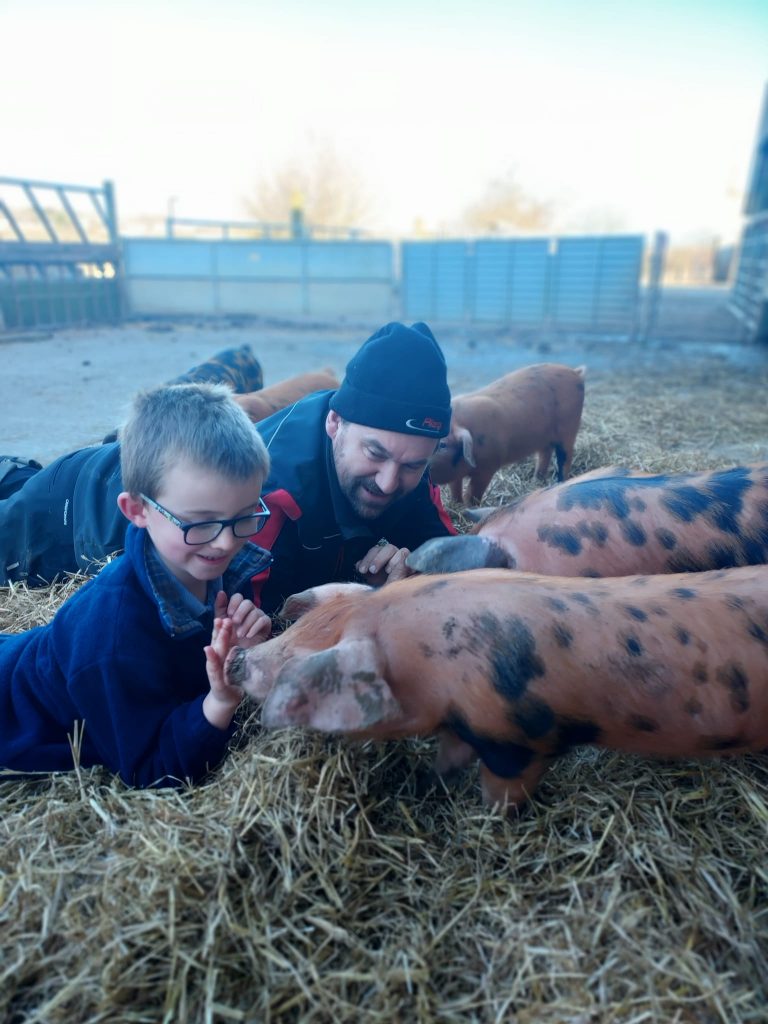
  • Crouch down as the gilts will come towards you more quickly than if you stand.
Photo: Courtesy Eilidh Verstage
  • Allow the gilts come to you and smell you in a calm, unhurried manner.
  • Reach out and gently touch the gilts as they come near you (they may move away initially).
  • Repeat the process until they are content for you to rest your hand them (this may take a few sessions). Then pat, stroke and rub gilts to reward them.
  • Make sure the handling is of the same quality every day as inconsistent handling can make gilts wary.
  • The same outline of work applies to boars as it does to gilts however you will probably need to be more patient with boars and aware that they are potentially more unpredictable than gilts

Come join us on Facebook and be apart of UK’s only pig breed that is a registered charity in England and Wales (1190469) and Scotland (SCO52662)

Ileitis and Proliferative Enteropathies: A Closer Look at Pig Health

Photo: Cast Animal Health

It is extensively documented that during the 1960s, as the UK pig industry underwent intensification of production and control of infectious diseases, reports emerged of a new condition in growing pigs and breeding stock. This condition, observed mainly in high health status animals, involved sudden death associated with severe intestinal bleeding. Research in the 1970s connected these acute intestinal issues with adenomatosis, which thickens the gut wall in young animals, along with other occasional gut problems. However, it wasn’t until the mid-1990s that the cause, identified as proliferative enteropathies (PE), was finally identified.

Extensive research led by Gordon Lawson and Alan Rowlands at Edinburgh revealed a novel bacterial species responsible for the diverse clinical symptoms observed. This bacterium, now known as Lawsonia intracellularis, attaches to intestinal cells, particularly in the ileum (lower small intestine). It then enters the cell wall, disrupts cellular function, and replicates, resulting in various forms of pathology. Unlike typical intestinal bacteria, Lawsonia intracellularis acts more like a virus, as it cannot reproduce outside the host cell.

PE of pigs is now well established as a cause of significant health insult and economic loss through the world’s pig producing industries.

Identification of Disease

Lawsonia intracellularis infection in pigs manifests as two primary and distinct syndromes, with two additional syndromes occasionally arising as complications. Therefore, it is essential to recognise and distinguish all conditions as separate entities.

1)  Porcine Intestinal Adenopathy (PIA) or Ileitis

PIA primarily affects younger growing pigs, typically between 6 and 8 weeks of age, and can persist into the finishing herd beyond 3 months old. The main clinical signs include diarrhoea, often characterised by loose pasty scour rather than profuse watery stools, along with weight loss and deteriorating body condition. In some instances, the gut dysfunction may be so mild that faeces appear normal, resulting in a subtle loss of growth. As a consequence, the affected herd exhibits inconsistent and disappointing growth rates among individual pigs.

2)  Complicating Conditions of PIA

Two complicating fatal conditions are occasionally seen in individual animals.

  • Necrotic enteritis. The thickened gut wall exhibits a necrotic luminal surface, which closely resembles the appearance of necrotic enteritis caused by Salmonella. However, it is important to note that the pathology associated with Lawsonia intracellularis infection typically remains confined to the terminal ileum and does not extend beyond that region.
Photo: Cast Animal Health
  • Hosepipe gut. The gut wall is smooth and thickened but the mucosal surface of the ileum is ulcerated.

3)  Proliferative Haemorrhagic Enteropathy (PHE)

It primarily affects older growing pigs and replacement breeding gilts. Affected pigs are often found dead, although some may exhibit symptoms such as paleness, depression, and the production of foul-smelling black tarry faeces. Clinically, this condition closely resembles severe gastric ulceration.

Findings during post-mortem examination, a rope of clotted blood fills the lower small intestine and upper large intestine, while tarry material is observed in the lower gastrointestinal tract. The terminal ileum may display thickening, but the mucosal surface is typically raw and ulcerated. Bleeding is not visible to the naked eye.

Photo: NADIS – rope of clotted blood

Treatment

In the early stages of a PIA outbreak, prompt diagnosis and intervention are crucial. Antibiotics can be effective in treating PIA, considering that the bacteria responsible, Lawsonia intracellularis, resides within the host cells. Therefore, antibiotic selection should focus on agents that can penetrate the cell wall. It is important to consult with a veterinarian for expert advice and guidance on the appropriate antibiotic treatment regime for PIA.

In situations where hygiene is a concern, leading to elevated levels of environmental contamination, implementing a thorough cleaning program becomes essential. Regular and effective cleaning practices help minimise the risk of disease transmission and maintain a healthy environment. Additionally, it is crucial to prioritise stress avoidance as part of overall health control protocols. Minimising stressors such as overcrowding, excessive noise, and abrupt changes in management practices can contribute to the well-being of the animals and support their immune system, enhancing their ability to resist diseases.

Please follow us on Facebook UK only pig breed that is a registered Charity England and Wales #1190469 Scotland SCO 52662 Become and friend of the OSBPG Charity and help us to continue creating a better future for our breed, its bloodlines and its breeding potential

Mastitis

Most of us have experienced this in our sows and it also affects the gilts. There are a few causes to mastitis such as teat injuries from floors or piglets, bacterial infection, poor hygiene and the symptoms is that the udder is hot, hard and swollen, lumps and sometimes the sow/gilt may become unwell and the piglets may also suffer due to lack of feeding.

Causes

Mastitis in sows is caused by ascending infection of the teats by bacteria. The organism most commonly involved is Escherichia coli or related organisms (coliforms). Bacteria such as Arcanobacterium pyogenes, streptococci and staphylococci may cause infections of single glands. Acute and severe mastitis caused by Klebsiella spp. may occur in outbreaks of fatal disease following trauma to the teats caused by rough sawdust bedding. Traumatic injury resulting from piglet teeth, sawdust bedding, or poor quality flooring add to infection. One or both glands supplying a single teat may be infected. Infection enters via the teat canal following teat contamination and bacteria multiply in the gland. Introduction of endotoxin into the mammary gland will cause mastitis and agalactia and endotoxin can be detected in the blood in mastitis.

Clinical signs

Acutely affected sows are usually depressed, loss or lack of appetite and fevered (temperatures of 40.5-42°C, 105-107°F are not uncommon). The udder is usually swollen and oedematous (abnormal swelling of fluid), often with massive congestion. Any secretion that may be obtained after oxytocin injection contains pus. Pain in the udder may lead to restlessness in the sow when piglets attempt to suck. The litter rapidly loses condition. Acute mastitis usually occurs within 1-3 days of parturition. The body temperature falls below normal, the animal can no longer rise and respiratory distress develops frequently leading to death. Coliform (a bacteria calledaerobic bacillus that lives in the colon) mastitis appears to regress within 3-4 days although in severe cases lactation may cease entirely. Sub-acute infection or infection in one or more glands occurs much more commonly and may be recognised by the increased hardness of the gland and, in its early stages, by a square area of reddening or the skin over the affected gland. The litter loses condition. Mastitis in a single gland is often noted only when an affected gland fails to return to normal after weaning. There is often teat injury, especially in the pairs of teats.

Acute mastitis is easily recognisable as affected sows are off their feed and have obvious swelling of the udder, sometimes with reddening and oedema. The litter is usually in poor condition. Animals are often lying down alot, but must be made to rise in order to confirm that mastitis is present. The udder should be felt on both sides by running the hand under both lines of glands.

Individual affected glands feel firm and hot. Laboratory examination of expressed secretion confirms that presence of mastitis by means of cell counts and the organism(s) responsible can be identified. Action requires oxytocin injection as milk let down is under voluntary control. Sub-clinical mastitis may only be detected after cell counts on expressed milk, showing 75% white blood cells. Chronic mastitis is easily felt upon inspection during lactation and easily seen in dry sows.

Treatment and prevention

Acutely ill sows may be saved by injection with neomycin, tetracyclines, ampicillin, amoxicillin, streptomycin, fluoroquinolone, ceftiofur or trimethoprim: sulphonamide for 2-4 days. Oxytocin should also be given. The litter should be fostered or reared artificially. After recovery it may be necessary to cull the sow as she will be prone to this ailment on all farrowings.

Other supportive treatment may include anti-inflammatory medication. In sub-acute cases, rehydration is not necessary. Antimicrobial injection may improve the condition where single glands are affected, but results are poor where abscess are present and has occurred or teat ends are damaged.

Control depends upon hygiene, use of soft bedding other than sawdust, early treatment and, possibly, the use of commercial E. coli vaccine if the condition is due to E. coli. Where the condition is recurring and pre-farrowing infection is suspected, treatment with trimethoprim sulphonamide at 15 mg/kg given in the feed from day 112 of gestation to day 1 post-partum may eliminate early lesions and prevent the development of clinical disease. Sows which have had severe or repeated bouts of mastitis should, unfortunately, be culled and affected sows should only be retained if they have sufficient functioning teats.

Meningitis

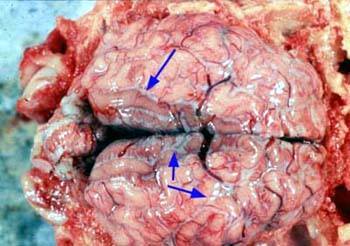
The brain and spinal cord are protected within bony cavities (the skull and the spinal column) but separating the nervous tissue from the bone is a series of membranes called the meninges. When these become inflamed in the condition known as meningitis (usually due to bacterial infection), pressure builds up on the nervous tissue and nervous signs ensue.

In the early stages of meningitis, pigs will be dull and depressed, reluctant to stand and have a raised rectal temperature. Occasionally, they may be seen pressing their head against a wall and they will be unsteady on their legs. As the disease progresses and in response to stimulation (handling, noise), affected pigs will subside into paddling convulsions while lying on their side. Careful observation will reveal that the eyes, when open, will flick from side to side (this is called nystagmus). Death can ensue within a few hours and in some cases of meningitis may simply be found dead.

Infection in the brain results from the bloodborne spread of bacteria, which can gain entry through any break in the skin or mucosa. Sporadic meningitis is particularly seen in the young piglet, where infection gains entry through the navel, tail-dock wound, clipped teeth or fight wounds, and is very much a feature of colostral insufficiency. Bacterial spread in the bloodstream (bacteriaemia) can lead to infection in other areas of the body – particularly the joints, causing joint ill, or arthritis. The bacteria involved are usually environmental contaminants such as staphylococci, E. coli and streptococci. However, epizootic forms of meningitis can occur, particularly in weaner pigs four to ten weeks old and rarely in older growing pigs. The most common cause in these cases is Streptococcus suis type II and Haemophilus parasuis.

Streptococcus suis Meningitis

This is typically a post weaning disease that is triggered by the stress of weaning and by mixing pigs of different ages. Overcrowding, poor ventilation and in particular, high humidity all seem to exacerbate the disease. In an infected herd, the organism is picked up at or soon after birth, the reservoir being the nasal chambers and tonsils as well as the vagina of the sow. The organism colonises the tonsil of the young pig and from there will spread via the bloodstream to the brain.

Onset of the disease can be extremely rapid and sudden death may be seen. Streptococcus suis can readily be cultured from the meninges of an affected pig that has not been treated. Paddling convulsions are a classic feature, along with temperatures of 41degrees C (106f) and above. The disease usually behaves in an all or nothing way – in contrast with most gut or respiratory tract diseases, there is no effect on the growth of unaffected meningitic pigs.

Control can be difficult, vaccines have not proved effective and strategic use of antibiotics such as amoxycillin by injection at weaning may be needed to prevent clinical disease. Medication of weaned pigs via water or feed with penicillin-based antibiotic will often suffice in milder outbreaks. Recovered pigs may drop dead suddenly two or three weeks later, the result of seeding of infection on the heart valves and production of endocarditis.

Worth noting that S. suis type II (along with other strains of S. suis) are zoonotic, so particular care should be taken when handling affected pigs and when attending farrowing in herds known to be infected. Infection for humans is normally by skin penetration through cuts and grazes – thorough hand washing with soap is essential following contact with potentially infect material.

Haemophilus parasuis Meningitis

There are many strains of H. parasuis present within pig populations and, while the most common manifestations of disease are either respiratory or septicaemic, cases do occur where the infection targets the brain, producing meningitis (arthritis is also occasionally seen). The clinical presentation is identical to that described above, but diagnosis can be difficult as the organism is very fragile post mortem – euthanasia of an affected untreated pig and immediate sapling of the meninges or cerebral spinal fluid is essential.

Treatment

Treatment of any form of meningitis is based upon killing the causative organism and providing support therapy. Streptococcus suis is generally very sensitive to antimicrobials treatment with penicillin-based medicines such as amoxycillin, but treatment must be rapid and involve a formulation that achieves high levels of antibiotic in the body immediately. While Haemophilus parasuis is also very sensitive to antibiotics, response to treatment of affected pigs is frequently disappointing, probably due to the fact that clinical signs are the result of toxin release rather than the effect of the bacterium itself; by the time signs are seen, the damage is done and killing off the organism will have no effect.

A common complication of meningitis in pigs is dehydration. Their inability to feed and drink soon leads to fluid shortage, especially in the young pigs. This is often manifests in the form of “salt poisoning” (water-deprivation neuropathy), which can easily be confused with meningitis clinically even though it is quite distinct from it. So many pigs that die through meningitis infection actually subside into salt poisoning, which is the true cause of death.

The pig should be removed from the rest of the litter – where it can be bullied – and placed in a bedded area to prevent injury. Often, response to treatment will be very rapid (within two to four hours). It should be given fluids (water containing electrolytes), preferably by mouth on a little and often basis. Care must be taken to ensure that the pig is swallowing fluids and not inhaling them.

Support treatment with corticosteroids or non-steroidal anti-inflammatory agents can also improve recovery rates. As a general rule, however, a failure to respond to treatment within forty-eight hours is likely to leave the pig permanently brain damaged and so euthanasia is appropriate.

IN ALL CASES PLEASE DISCUSS YOUR SITUATION WITH YOUR VETERINARY PRACTICE.

Photos obtained from Google

Not-In-Pig (NIP)

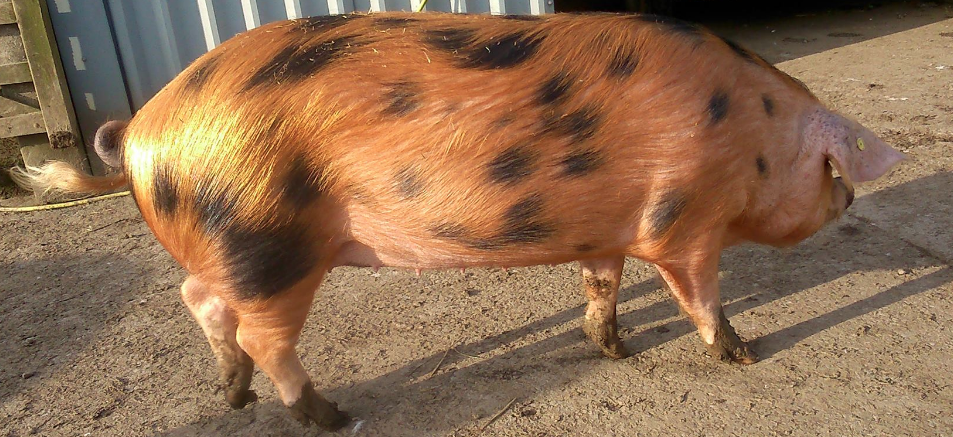
We all get frustrated when our sow/gilt return and we find that they are not in-pig (pregnant). The cause of this is not being vigilant in watching if they return (come back on heat, hogging) or it could be a case of an infection.

Causes

The main causes are poor management and infertility. With regards to management, experience shows us that empty sows and gilts are as of a result of being misidentified poorly, housed in groups running with the boar and services are not supervised and observation of post service for returns to oestrus are not detected. I know it is difficult to keep an eye on our pigs all the time, but if you know when they are due to start hogging then introducing the boar and observing can save you time and worry. Knowing if and when the sow/gilt is due to return by counting 21 days from her last hogging will help you to know if the service has been successful.

If pregnancy testing is not carried out (hire our pregnancy scanner from our website oxfordsandyblackpiggroup.org), then sows may reach term without being pregnant. Infertility may be solely responsible when observation has been a little lax. When embryos are produced and die, sows return to oestrus at uneven intervals. Where disease or cold have reduced the ability of the animal to return or where housing is such that hogging cannot be observed, then the pigs will remain undetected until a routine pregnancy check is followed or the expected farrowing date arrives with no farrowing. Sometimes, in these cases, there may be an undetected abortion, cystic ovaries or pyometra which there will be an infection of the uterine horn.

Clinical signs

‘Not-in-pig’ sows or gilts return to heat after service and also fail to develop the abdominal swelling and underline development typical of pregnancy. The sows are found to be non-pregnant when examined by. A history of vulva discharge may pinpoint the stage at which pregnancy ended.

It will come to no surprise that failure to farrow leads to a diagnosis of not-in-pig. The reasons for the failure of pregnancy can be determined by examining the records. If the recording is not carried out, services are not supervised, pregnancy checks not carried out and returns to oestrus not checked visually, then poor management is the cause.

Pigs that are in poor condition and exposed to too hot, cold, damp and drafty housing then this will result in the sow/gilt not carrying to term and possibly reabsorbing or aborting. Where records confirm that service was carried out and pregnancy has been confirmed reliably, then again, abortion or reabsorption has occurred.

Treatment and prevention

Before animals are treated as not-in-pig, a pregnancy test should be carried out, as the commonest cause of failure to return to service is pregnancy. Cystic ovaries and subdued oestrus can be treated using chorionic gonadotrophin. Pyometra may respond to antimicrobial treatment by injection and allow a return to oestrus.

Prevention is largely a matter of management, although vaccination against conditions such as parvovirus, erysipelas, leptospirosis, PRRS, and influenza can also be a reason for a non-productive sow.

Sows must be identified individually, services must be attended with good recording keeping of the boar or semen used together with results of any pregnancy tests. Ensure that mating is successful and occurs at the correct time if AI-ing that semen quality is adequate. Be vigilant to observe that there are no vulva discharges after service.

To hire our pregnancy scanner, please click here

OSBPG Ensuring Clean Water Systems for Pigs: Best Practices and Tips

Photo: Mr C Lea

Here at the Oxford Sandy and Black Pig Group (OSBPG), our supporters all use different watering methods and apparatus, regardless of our systems be it indoors or outdoors, but how do we ensure the water remains clean at all times?

OSBPG advises that it is essential to regularly flush the system to clean out your chosen method of drinker. For instance, during these Winter months when some off us have our pigs housed indoors, nipple drinkers may be used. However, during Spring and Summer the water supply to these drinkers may be turned off and our Oxford Sandy and Black pigs are turned outside, leaving stale water in the system throughout the summer. When Winter comes around again and the pigs are brought back inside, the stale water is turned on. This stagnant water can taste and smell bad and the pigs may refuse to drink it, leading to dehydration and potential health issues.

Photo: Mr K Clarke

To prevent this, it is crucial to flush the system once with a disinfectant, followed by a second flush with fresh water.

For those using boreholes, it is important to be aware that traces of iron and manganese can accumulate. Please regularly test your water for these minerals, as well as for e-coli and nitrates, to ensure the water is safe for livestock.

Water offered to our Oxford Sandy and Black pigs and indeed any pig, should be fit for human consumption and maintaining hygiene is a critical factor:

  • Bowl drinkers and troughs should be checked daily and cleaned as needed.
  • Test water from boreholes at least twice a year.
  • Clean and flush the entire water line, including drinkers, pipes, and header tanks, regularly to reduce the buildup of biofilms, especially between batches.
  • After flushing, check flow rates and inspect pipework by removing a drinker and checking for residue inside.
  • Microbiological, physical and chemical factors can all affect water quality, so if there is any doubt, send samples for analysis.
  • Ensure header tanks are completely covered with intact, secure lids to prevent contamination.
  • For those using water bowsers, regularly clean them to avoid stale water, biofilm buildup and algae growth.

A useful tip: When flushing pipes and drinkers from the header tank, add food colouring along with the disinfectant. When the colour appears in the drinkers, you will know the system has been thoroughly cleaned.


The Oxford Sandy and Black Pig Group (OSBPG) is the UK’s only pedigree pig breed registered as a charity in both England & Wales (1190469) and Scotland (SCO52662). We are dedicated to creating a better future for the breed by preserving bloodlines and enhancing breeding potential. In partnership with Independent Pork Producers, Breeders, and Oxford Sandy and Black Keepers and their families, we work to strengthen the breed’s dynamics and profile. Your support is invaluable – please click the donate button to help us continue our efforts and provide resources and initiatives that drive our mission forward.

Follow us on Facebook and see how we support, help and inspire individuals about our beautiful rare breed the Oxford Sandy and Black Pig

PIG PEDICURE

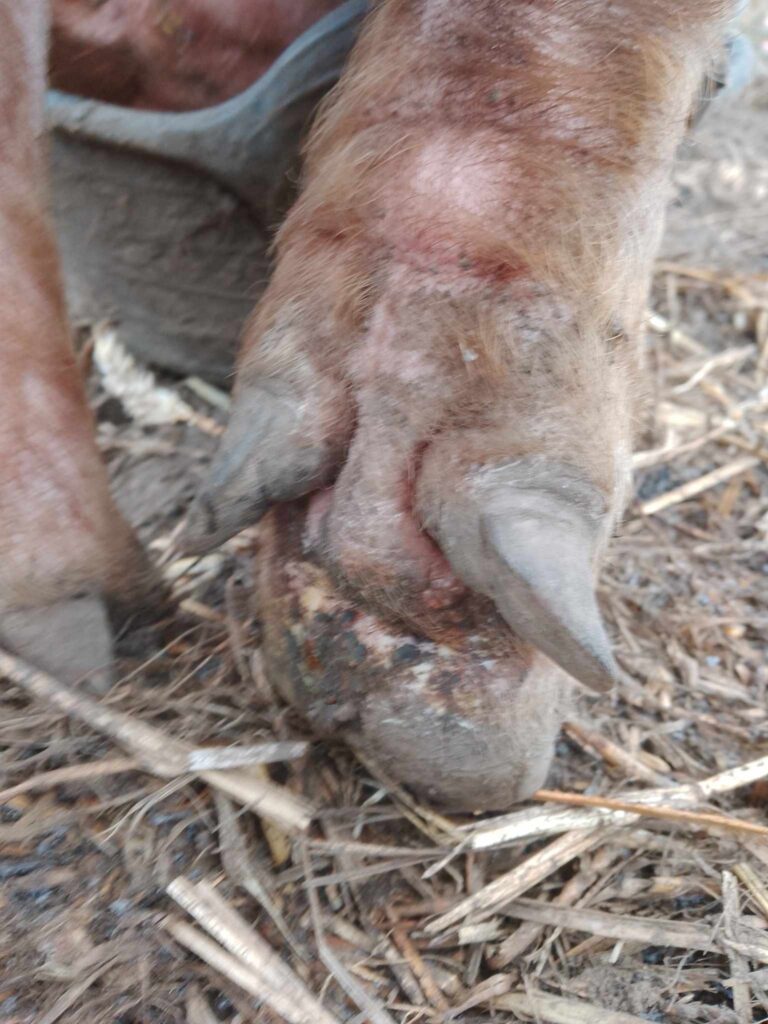
Similar to humans, the feet of pigs bear the weight and undergo considerable strain with little care. It’s crucial to prioritise foot health in pigs just as we do for ourselves. Many of us might not regularly check our pigs’ feet or understand what signs to look for.

Damage to the Oxford Sandy and Black pig feet leading to infection is a common cause of lameness and welfare issues among pigs, as observed by some sharing photos with us over the months on the Oxford Sandy and Black Pig Group on facebook . This problem affects all age groups, with sows and boars posing a particular challenge due to increased weight bearing, longevity, and variable nutritional status throughout their lives. The genetic makeup of the Oxford Sandy and Black pig can also contribute to these issues.

The majority of foot problems stem from defects in the claw, resulting from abnormal and excessive growth, abrasion, or a combination of both. Secondary contamination often leads to abscess formation and septic laminitis. Larger outer claws, bearing the most weight, are especially vulnerable to damage, with conditions like bush foot notably affecting the outer claws of the hind limbs.

Prevention is key, and maintaining hoof integrity should be a primary focus for all of us to ensure the well-being of our pigs.

Horn Growth and Foot Care in Pigs

The continuous growth of the protein-based (keratin) tissue in pig claws requires an appropriate protein level in their diet. Excessive protein can stimulate deformities and overgrowth, as discussed in previous posts. Sow protein requirements fluctuate through the reproductive cycle, impacting horn growth. Micronutrients like biotin, available at farm supply stores, are crucial for horn development.

Environmental conditions play a role in horn growth and hoof integrity. Wet ground, abrasive surfaces, and chemical exposure can affect pig hooves. Wet concrete poses a risk, as it softens hooves, potentially leading to overgrowth and cracks.

Consequences of poor hoof health include difficulty rising, altered gait, and susceptibility to infections like bush foot. Bacteria such as Streptococci, Staphylococci, E. coli, Fusiformis, and Trueperella pyogenes can cause infections through defects in the horn.

Foot care aims to maintain healthy, well-shaped hooves. We should aim and ensure that our pregnant and non-productive adult pigs receive at least 15% protein-based ration. Grazing variations and grass intake contribute to nutritional and a good enhancement on well being to our pigs.

For overgrown hooves, clipping and filing can be done, and sedation is also an option. Copper sulphate hoof mats, used weekly, can address feet problems. Other foot dip treatments should be carefully chosen, as some may harden hoof horn, leading to brittleness. Disposal of chemical solutions must be done with utmost care to prevent environmental contamination.

Remember, a healthy pig is a happy pig and a very happy keeper:-)

Photo 1 showing: Overgrown claw highlighting defects whereby infection can harbour

Photo 2 showing: Overgrowth of claws which may make rising difficult and will alter the gait of the pig which can put additional strain on joints

PHOTOS: PURDUE UNIVERSITY
Photo 1 showing: Overgrown claw highlighting defects whereby infection can harbour

The Oxford Sandy and Black Pig Group is UK’s only pig breed that is a registered charity in England & Wales (1190469) and Scotland (SCO52662). We are creating a better future for our breed the bloodlines and it breeding potential together with our Independent Pork Producers, Breeders and Oxford Sandy and Black Keepers. Please click the donate button so we may continue to look after our breed and our supporters

Follow us on Facebook and see how we support, help and inspire individuals about our rare breed

PIG UTERINE PROLAPSE

Photo: Mr & Mrs S Edmond

Although not a common ailment with the Oxford Sandy and Black Pig breed, it does happen from time to time. This condition involves the partial or complete eversion (turning outwards or becoming inside out) of one or both uterine horns. It does not affect piglets, weaners, or fatteners.

Alternative Name:

  • Prolapse of the uterus

Information:
Uterine prolapse usually occurs within 2-4 hours after the farrowing process. Prolonged efforts during farrowing can cause a small part of the uterus to be pushed out by uterine contractions.

Symptoms in Sows:

Photo: International Journal of Development Research
  • Prolapse typically occurs within about an hour.
  • It begins with the appearance of the red mucosa of the uterus.
  • This mass increases rapidly in size until it emerges completely.

Causes / Contributing Factors:

  • Uterine prolapses are rare but usually occur in older sows with large litters or those giving birth to very large piglets.
  • Weakening of the structures that hold the uterus or a flaccid uterine wall.
  • Estrogenic mycotoxins have been linked to this condition.
Close up of a complete uterine prolapse in the sow shortly after parturition Photo: SMEC

Control / Prevention:

  • It is possible to reinstate the uterus back inside the sow, but it is a challenging task and the sow can die due to internal hemorrhaging.
  • If the sow survives, it should not be bred from again.
  • The alternative is to cull the sow.

The Oxford Sandy and Black Pig Group (OSBPG) is UK’s only pig breed that is a registered charity in England & Wales (1190469) and Scotland (SCO52662). We are creating a better future for our breed the bloodlines and the breeding potential together with our Independent Pork Producers, Breeders and Oxford Sandy and Black Keepers and their families. Please click the donate button so we may continue to look after our breed and our supporters

Follow us on Facebook and see how we support, help and inspire individuals about our beautiful rare breed the OSB Pig

PIGLET OBSERVATION – Part I

Photo: Mrs R Ford


As we witness the wonderful farrowings with the anticipation of more to come, I thought it a perfect opportunity to delve into the different phases of piglet observation and care this week.

We know that recognising those piglets smaller than their littermates often exhibit delayed growth and require additional attention, and as such the following protocols may aid us to minimise the weight disparity between lighter piglets and their larger siblings.

Investigation of various factors affecting birth weight, with the aim of enhancing the postnatal performance of underweight piglets, has resulted in the following findings.

As most of us have witnessed, a common occurrence is litters with diverse birth weights. These variations tend to increase, with an overall trend toward smaller piglets, when the number born alive is higher. There is no need for alarm; entire litters comprised solely of small piglets do not necessarily indicate an issue, as these piglets can still be viable. With the right conditions, low birth weight pigs can catch up in growth to their normal birth weight counterparts. Nonetheless, early intervention remains crucial.

The prospect of piglet survival rates are low if their weight falls below 1 kg. If possible, try to weigh and gauge the number of piglets below 1kg, document the weights to enable to recognise the developments which will help you to offer extra assistance in their development.

Challenges During Foetal Development

  • Poor foetus and reduced growth of piglets can be identified as early as 30 days of gestation
  • Low birth weight can be a result of an inefficiency of the placenta to transfer nutrients to the foetuses rather than uterine capacity – ensure gilt is not younger than 12 months for service
  • Oxygen Deprivation influences the Critical Factor in Foetal Growth, Central Nervous System Impact, and Survival of Piglets
  • Some piglets may be petite but exhibit excellent vitality and favourable postnatal behaviours, such as rapid suckling, which significantly contributes to their survival.
  • Piglets that are both undersized and weak, which can be indicative of oxygen deprivation, face a significant disadvantage
  • It’s important to highlight that the maternal genotype plays a significant role in determining placental efficiency and, consequently, foetal weight, while the potential for growth and size is influenced by the sire line.

The Oxford Sandy and Black Pig Group is UK’s only pig breed that is a registered charity in England & Wales (1190463) and Scotland (SCO52662). We are creating a better future for our breed, the bloodlines and its breeding potential together with our Independent Pork Producers, Breeders and Keepers. Please consider clicking our donate button so we may continue to look after our breed and our supporters.

Follow us on Facebook and see how we support, help and inspire individuals about our rare breed

PIGLET OBSERVATION – Part II

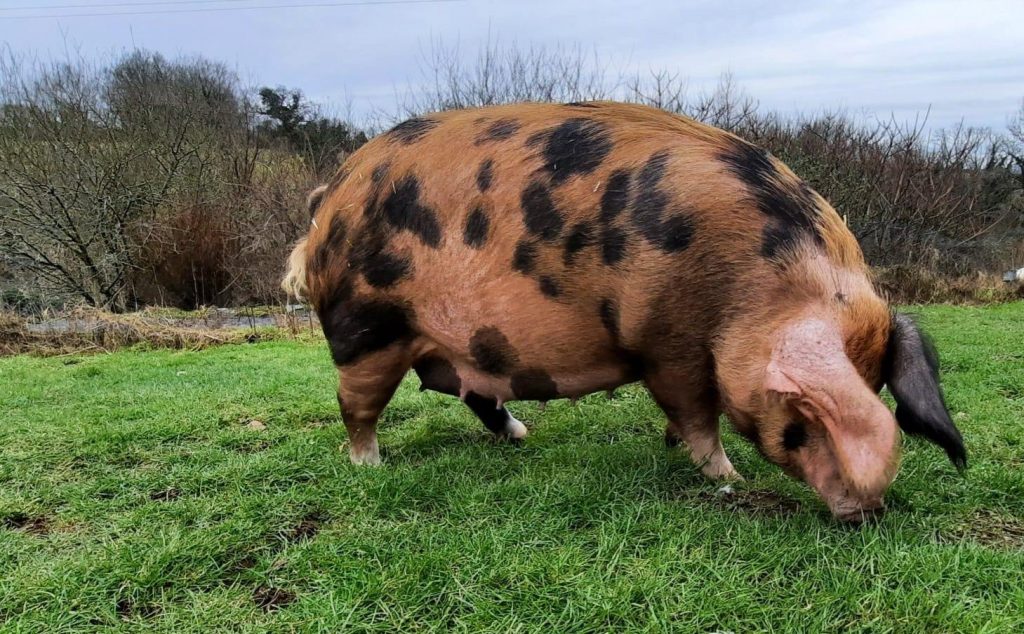
Photo: In pig gilt with 11 days to go. Francesca an Oxford Sandy and Black Pig Gilt photo taken on 22 January 2023 farrowed on 2 February 2023.

Enhancing the In-pig Sow Nutrition

Although the last month of pregnancy is the period when the main growth rate of the foetus takes shape, we, Oxford Sandy and Black Pig keepers must take into consideration the whole of the gestation period to take advantage of the opportunity to influence birth weights.

Direct Your Attention Beyond the Final Third of Gestation: Emphasis is more than just the last third of gestation, as this period witnesses foetal growth spurts and an opportunity to influence birth weight. Elevate nutrient intake for sows starting from day 80 of gestation to positively impact birth weight. Notably, between days 90 and 115, piglet growth rate increases significantly.

Evaluate Feeding Regime for the Oxford Sandy and Black Gilts: Carefully consider the feeding plan for your breeding gilts. Overfeeding them during the initial stages of gestation can yield both short and long-term effects. The extra feed might be directed towards the gilts’ reserves rather than the developing foetus. This practice could lead to the birth of small piglets and overweight gilts. Once a gilt accumulates excess fat, her productivity might diminish.

Remember it is worth discussing feeding options with your feed nutritionist/feed merchant.

Photo: In pig gilt with 12 days to go. Francesca an Oxford Sandy and Black Pig Gilt photo taken on 22 January 2023


The Oxford Sandy and Black Pig Group is UK’s only pig breed that is a registered charity in England & Wales (1190463) and Scotland (SCO52662). We are creating a better future for our breed, the bloodlines and its breeding potential together with our Independent Pork Producers, Breeders and Keepers. Please consider clicking our donate button so we may continue to look after our breed and our supporters.

Follow us on Facebook and see how we support, help and inspire individuals about our rare breed

Piglet Observation – Part IV

Photo: Lydia Johnston

Cross- Fostering

When dealing with large litters and you have simultaneous farrowings, there may be an opportunity to implement a fostering procedure, transferring your Oxford Sandy and Black piglets from a larger farrowing to a smaller farrowing. This practice can be of benefit as well as ensuring the welfare of sow and piglets which begins with careful observation of the piglets.

Identify those piglets that show signs of lethargy and lacklustre. These observations will serve as indicators for taking action, possibly including the decision to foster the struggling piglet and at the same time provide essential sustenance such as electrolytes or additional milk.

Cross-fostering your low birth weight Oxford Sandy and Black piglets with littermates of similar weight can significantly improve their daily weight and overall health with the added bonus of high expectations for pre-weaning performance.

We are aware that smaller piglets competing with their larger siblings are at a disadvantage. Therefore, whenever possible, it is advisable to create foster litters consisting of the smallest piglets born on a given farrowing day. It is essential to introduce these small piglets to a sow that is in her early stages of motherhood, preferably on her first or second litter. Sows in their second year, for instance, tend to have smaller teats that are better suited for the small mouths of these piglets. This thoughtful approach can greatly benefit the piglets’ growth and overall well-being of the Oxford Sandy and Black Pig.

You might discover our blog titled “Piglet/Weaner – Being Prepared” to be a valuable resource for additional guidance and assistance.


The Oxford Sandy and Black Pig Group is UK’s only pig breed that is a registered charity in England & Wales (1190469) and Scotland (SCO52662). We are creating a better future for our breed, the bloodlines and its breeding potential together with our Independent Pork Producers, Breeders and Keepers. Please consider clicking our donate button so we may continue to look after our breed and our supporters.

Follow us on Facebook and see how we support, help and inspire individuals about our rare breed

Piglet Observation – Part V

Pre-weaning care of the Oxford Sandy and Black Piglet

Creating a non-competitive environment for your Oxford Sandy and Black piglet during the early stages of life is crucial for the smaller piglets, as previously explained in “Piglet Observation Part IV“. This environment can be established through cross-fostering.

Supplemental milk, such as sow replacement milk or goat’s milk, can effectively reduce the variation in birth weights, ensuring a more consistent growth to slaughter weight.

By combining these two management techniques, we can effectively control costs, rather than providing supplemental milk to a larger number of litters unnecessarily.


The Oxford Sandy and Black Pig Group is UK’s only pig breed that is a registered charity in England & Wales (1190469) and Scotland (SCO52662). We are creating a better future for our breed, the bloodlines and its breeding potential together with our Independent Pork Producers, Breeders and Keepers. Please consider clicking our donate button so we may continue to look after our breed and our supporters.

Follow us on Facebook and see how we support, help and inspire individuals about our rare breed

Piglet Observation – Part VI

Enhancing Nutrition for Improved Piglet Growth

Instead of increasing feed levels, it’s worth considering an improvement in nutrition. Selecting the right starter feed regime is vital to minimise the growth slowdown that our Oxford Sandy and Black (OSB) piglets may experience during the transition from liquid to solid feed.

Feeding a high-quality starter diet, supplemented with extra feed (matching the last diet of the starter regime), can enhance the performance of low birth weight OSB piglets up to 10 weeks of age. This approach can result in similar nursery exit weights for both low birth weight and normal birth weight pigs.

However, it is important to note that feeding a high-quality diet is less effective when introduced at nine weeks of age, indicating a critical intervention window.

Research indicates that not only do low birth weight pigs benefit from an improved dietary regime, but it is also cost-effective for producers. This approach yields a higher return per pig compared to a standard commercial regime, which has a lower margin over feed cost. For normal birth weight pigs, the standard commercial feed regime remains the most economical choice with the greatest margin over feed cost.

At weaning, separating OSB low birth weight pigs allows for selective feeding with an improved regime, as heavier OSB pigs are better suited for a standard commercial diet.

Further research reveals that nutritional treatments at different stages can impact outcomes such as:

  • Specialised diets introduced at weaning can enhance performance throughout the nursery phase and are more cost-effective than using a standard commercial regime.
  • Offering supplementary milk doesn’t significantly improve the performance of low birth weight piglets, but it does reduce birth weight variation in mixed litters.
  • Low birth weight pigs may not experience substantial benefits from a diet higher in amino acids and energy when fed from nine weeks of age.

The Oxford Sandy and Black Pig Group is UK’s only pig breed that is a registered charity in England & Wales (1190469) and Scotland (SCO52662). We are creating a better future for our breed, the bloodlines and its breeding potential together with our Independent Pork Producers, Breeders and Keepers. Please consider clicking our donate button so we may continue to look after our breed and our supporters.

Follow us on Facebook and see how we support, help and inspire individuals about our rare breed

Piglet Observation – Part VII

Economic Considerations Regarding Low Birth Weight Pigs

As we know, and have experienced ourselves as we observe our Oxford Sandy and Black (OSB) low birth weight pigs, they can thrive when managed and nourished correctly. With meticulous care, these OSB piglets can achieve enhanced growth rates and therefore reduce pre-weaning mortality rates.

The economic implications of raising Oxford Sandy and Black low birth weight pigs can hinge on these few factors:

  1. Feed Efficiency: Their capacity to efficiently convert feed into growth.
  2. Production Variation Costs: Expenses associated with managing variation throughout the production process.
  3. Market Conditions: The prevailing prices of pigs and feed in the current market.

These factors collectively determine the economic viability of rearing low birth weight pigs, and with the right strategies, their performance can yield positive results.

You can also tune in to the OSBPG Podcast HERE and listen to leading pig nutritionist discuss pig feed and nutrition. Whilst there subscribe to the OSBPG Podcast and be apart of engaging discussions.


The Oxford Sandy and Black Pig Group is UK’s only pig breed that is a registered charity in England & Wales (1190469) and Scotland (SCO52662). We are creating a better future for our breed, the bloodlines and its breeding potential together with our Independent Pork Producers, Breeders and Keepers. Please consider clicking our donate button so we may continue to look after our breed and our supporters.

Follow us on Facebook and see how we support, help and inspire individuals about our rare breed

PIGS GET COLDS TOO

H1N1 swine flu virus particles – Photo Science Photo Library

Swine Flu

Similar to humans, pigs are susceptible to colds and flu, especially in the Autumn and Winter seasons; however, they can contract these illnesses at other times of the year as well. In pigs, this condition is referred to as Swine Influenza (swine flu), characterised as a respiratory disease caused by type A influenza virus. Swine Influenza regularly sparks outbreaks in pig populations. While swine flu viruses typically do not infect humans, rare cases of human infections have been reported. In pig herds, these viruses can lead to significant illness, although fatalities are infrequent.

The virus circulates among pigs throughout the year, with a tendency to peak during late Autumn and Winter months, mirroring the seasonal patterns observed in human flu and colds.

Similar to influenza viruses in humans and other animals, swine flu viruses undergo frequent changes. Pigs have the susceptibility to be infected by avian flu and human flu viruses. When flu viruses from diverse species infect pigs, mutations can occur, giving rise to new viruses that are a combination of swine, human, and/or avian flu viruses. This continual evolution has led to the emergence of various variations of swine flu viruses over the years. As a result, there are three primary influenza A virus subtypes that have been identified in pigs: H1N1, H1N2, and H3N2.

The primary mode of transmission for swine flu viruses among pigs is believed to be close contact, and there is a potential for transmission through contaminated objects moving between infected and uninfected pigs. Swine herds, even those that have been vaccinated against swine flu, may experience sporadic disease, with some showing only mild or no symptoms of infection.

Symptoms
Clinical manifestations of swine flu in pigs may encompass symptoms such as fever, depression, coughing (barking), discharge from the nose or eyes, sneezing, breathing difficulties, eye redness or inflammation, and a decrease in appetite. It is noteworthy that certain pigs infected may not display any signs of illness.

Is Swine Flu common

Before 1985, Swine Flu had not clinically appeared in pigs in the UK. However, subsequent investigations revealed the presence of a specific strain, H3N2, derived from humans, in the pig population since 1968. This strain was first associated with clinical disease in pigs in 1986, a year after cases of Swine Flu caused by a pig-specific H1N1 strain emerged. Later, in 1991/2, a new strain emerged, a mutation of the H1N1 pig strain and an avian influenza strain, designated H1 A/SW/195852/92. This strain, combined with PRRS (Blue Ear) infection, proved particularly severe. Throughout the 1990s, additional strains such as H1N2 and H3N1 were detected in pigs.

At present, the disease is widespread throughout the UK, manifesting as sporadic cases in individual herds, occasionally across regions, and persistently affecting certain farms for several months. Reports from APHA covering the winter period of 2015/6 indicate common disease outbreaks, primarily attributed to either the human pandemic strain A H1N1 09v or H1N2. Similar to human influenza, its prevalence peaks during winter conditions when virus survival rates are high, although cases can occur at any time of the year. A significant incidence of the pandemic strain in humans heightens the risk of widespread infection among pigs.

Treatment

Treatment for influenza in pigs is limited due to its viral nature, and unless there is a secondary infection, treatment is generally unnecessary. Typically, pigs will recover within a week. However, supportive therapy using aspirin administered via the water system or paracetamol in feed may aid in accelerating individual pig recovery. (As stated from NADIS) However in all cases do seek advice from your vets.

Nevertheless, Swine Flu, particularly in grower pigs, can make them vulnerable to other diseases, notably Actinobacillus pleuropneumoniae. Many outbreaks of the latter have been linked to preceding unrecognised Swine Flu outbreaks. In such instances, prompt treatment with appropriate antibiotics is crucial to mitigate potentially catastrophic losses associated with this disease.

During uncomplicated Swine Flu outbreaks, growth may be slowed, and affected pigs may not be suitable for slaughter while they are ill. It is important to avoid overcrowding during outbreaks, and slaughter weights may be reduced after the disease has subsided.

Worth Noting: For over two decades, Swine Flu has posed a significant concern to pig keepers in the UK, with varying strains causing a range from mild to severe, including loss of appetite and respiratory issues. The emergence of the more recent human pandemic strain has heightened concerns among pig keepers due to its potential as a reverse zoonosis. This strain not only presents a direct threat as a primary source of disease but also raises alarms regarding its ability to intermingle with existing flu strains in pigs. Such interactions could potentially give rise to even more potent strains, posing risks to both pig and human populations alike.

Attention to high standards of biosecurity, isolation of incoming stock away from your main area of your holding/Farm have parts to play in the prevention of many diseases.  Not allowing to share same air space and no nose-to-nose contact. Biosecurity signs obtainable HERE from AHDB


The Oxford Sandy and Black Pig Group is UK’s only pig breed that is a registered charity in England & Wales (1190469) and Scotland (SCO52662). We are creating a better future for our breed the bloodlines and it breeding potential together with our Independent Pork Producers, Breeders and Oxford Sandy and Black Keepers. Please click the donate button so we may continue to look after our breed and our supporters

Follow us on Facebook and see how we support, help and inspire individuals about our rare breed

PORCINE PARVOVIRUS (PPV)

Photo: The Native Antigen Company

Porcine Parvovirus (PPV)

PPV, while not outwardly noticeable in our pigs during day-to-day observation, poses significant challenges as it affects our in-pig sows and gilts. This virus can wreak havoc internally, impacting embryo and foetus development.

Previously known as “stillbirth mummification embryonic death and infertility” (SMEDI), PPV was once a prevalent issue. However, effective vaccines have considerably reduced its occurrence.

Signs and Effects:

Signs of PPV vary depending on the stage of pregnancy. Infection can occur during mating, leading to total embryo loss and subsequent return to estrus. Later infections may still result in embryo destruction, with pregnancies terminating if fewer than four embryos are present. As the virus progresses, it can lead to termination of all foetuses, initiating a process of re-absorption and resulting in mummified births.

This litter belonged to a non-vaccinated gilt that was confirmed with PPV at approximately day 40 of gestation. Photo: Boehringer Ingelheim Vetmedica Inc.

Diagnosis and Behaviour:

Diagnosing PPV involves observing certain behaviours in breeding sows and gilts, such as repeated hogging every 3 weeks or irregular patterns every 4-5 weeks, along with the presence of mummified piglets and stillbirths.

Prevention and Vaccination:

Preventing PPV primarily relies on a robust vaccination program. Vaccines, particularly the combi vaccine Ery/Parvo, are highly effective. Consulting with your veterinary practice is essential for guidance on vaccination protocols, including vaccinating gilts prior to service and providing booster doses as recommended.

Considerations for Boars:

Boars themselves may not show clinical signs or semen damage from PPV but can carry and transmit the virus, potentially infecting gilts. Some veterinarians recommend vaccinating boars every six months to mitigate this risk, particularly in AI studs.

For comprehensive prevention and control strategies against PPV, veterinary advice and guidance is paramount.


The Oxford Sandy and Black Pig Group is UK’s only pig breed that is a registered charity in England & Wales (1190469) and Scotland (SCO52662). We are creating a better future for our breed the bloodlines and it breeding potential together with our Independent Pork Producers, Breeders and Oxford Sandy and Black Keepers and their families. Please click the donate button so we may continue to look after our breed and our supporters

Follow us on Facebook and see how we support, help and inspire individuals about our rare breed

Porcine Parvovirus (PPV)

PLEASE REMEMBER TO SIGN UP TO THE DISEASE CHARTER WITH AHDB PORK.

When sourcing stock it is up to you to ask the breeder if they have suffered any diseases within their herd if you don’t ask you don’t know and the breeder will and should not be offended by your question as this shows due diligence on your behalf.

It it my intention to discuss diseases specific to the pregnant sow and the effects her infection will have on the unborn litter and then move on to respiratory disease, nervous system disease etc over the weeks. So hope you find it all helpful.

Reproduction Disease – Porcine Parvovirus (PPV)

Apart from a single very unusual report of skin disease in weaners, PPV is solely associated with the reproductive failure or with its effect on an unborn litter. Infection of the non-pregnant animal has no clinical effect and immunity is acquired that will be life-long and will protect all future litters. The effects that PPV infection will have on a pregnant sow depend on the stage of pregnancy, which I have shown below.

Stage of reproductive cycle Effect of PPV infection Result

Not pregnant No effect Immunity

At service and within Death of fertilised eggs/ Return to service 10 days of service differentiating embryos at 3 weeks 10 – 25 days post service Embryonic death Delayed return to service or small litter 25 – 75 days post-service Foetal death, often Variable-sized mummified progressive through the litter pigs affecting whole or part of the litter, and/or stillbornpigs

75 days plus Minimum effect on foetuses Possibly small pigs born as the immune response can be that have been checked during growth, and stillborn pigs

From this it can be seen that the effects of PPV infection can be stillbirth, mummification, embryonic death and infertility, giving the old acronym SMEDI. It should be noted that abortion is a very rare manifestation of PPV infection.

On a herd basis, in a naïve herd, an outbreak of PPV disease will last two to three months and will manifest by varying signs over that time in the following sequence:

  1. Increased regular returns to oestrus lasting two to three weeks
  2. Increased irregular returns to oestrus lasting two to three weeks simultaneously with above
  3. Stillborn pigs starting simultaneously with above for one to two months.
  4. Increase in mummified pigs from six to twelve weeks after (1) above, and failures to farrow.
  5. Drop in total litter size for two to three weeks from eighty days after the start of the outbreak.

It is a sequential disease, the classic sign of which is large numbers of mummified pigs within a litter, of variable size, starting around one month after an increase in returns to service. The diagnosis of PPV disease is based on clinical pictures supported by blood tests and by virus detection in the livers of mummified or stillborn pigs.

Prevention and Control

Highly effective vaccines against PPV, which we have discussed in the previous post on the group, are available and are given to gilts prior to breeding. The actual programme (number of doses and timing) varies between products, but it should be noted that maternally derived antibodies (those passed to a piglet in colostrums) can survive for up to six months and that these can block vaccine efficacy. Vaccination should, therefore, not be given too early in life. It is also worth noting that the disease can be transmitted from boars to sows or vice versa by direct mating with infected pigs or through artificial insemination from infected semen of boars.